Summary
Dental implant cost depends on the treatment you need and what the quoted price includes. Replacing one tooth involves different work from replacing several teeth. Scans, tooth removal, bone grafting, and the final replacement teeth can also affect the bill. A written treatment plan helps you compare costs and understand what you are paying for.
5 Key Takeaways
- Check whether the price includes the implant, its connector, and the final crown.
- Extra treatment, such as bone grafting, can add steps and costs.
- Replacing several teeth may involve a different plan from replacing one tooth.
- Insurance benefits depend on your policy and its limits.
- Compare the full treatment plan, follow-up care, and payment terms before choosing.
Why Implant Prices Can Be Hard to Compare
A missing tooth can make you think about your smile, your comfort, and your budget at the same time. When you start checking prices, the numbers may raise more questions than they answer.
One quote may cover only implant placement. Another may include the final tooth and several related services. Without a clear breakdown, it is hard to tell whether you are comparing the same treatment.
The useful question is: “What will my treatment involve from the first visit to the final tooth?”
You can use the Dental Implant Cost page as a starting point for your questions. For a personal estimate, ask the treating dentist to explain the proposed work and put the fees in writing.
What Does Dental Implant Cost Include?
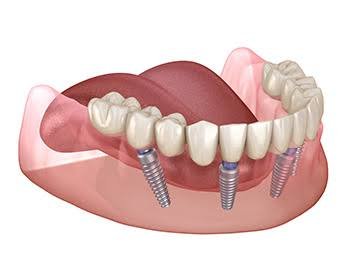
For a single missing tooth, treatment usually involves three main parts. The implant sits in the jaw and acts as a replacement root. A connector, called an abutment, joins it to the crown. The crown is the visible replacement tooth. Implants can also support bridges or dentures.
These parts may appear as separate charges on an estimate. Ask whether the advertised price includes all three.
The wider treatment plan may also include scans, removal of a damaged tooth, a temporary tooth, or grafting.
Use this table to review a quote:
| Possible item | What to ask |
|---|---|
| Assessment and imaging | Are the first visit and required scans included? |
| Tooth removal | Is extraction needed, and is it a separate fee? |
| Bone or gum grafting | Why is it needed, and what would it cost? |
| Implant placement | Does the fee cover the implant and surgery? |
| Abutment and final tooth | Are both included in the total? |
| Temporary replacement | Will I need one, and is there an extra charge? |
| Follow-up visits | Which checks and adjustments are included? |
Not every patient needs every item. The table helps you check the estimate and identify questions to ask about your own treatment.
The Main Factors That Change the Price
How Many Teeth Need Replacing
Replacing one tooth and replacing a row of teeth involve different treatment plans. A single implant may support a crown, while multiple implants may support a bridge or denture.
Ask the dentist to separate the number of missing teeth from the number of implants proposed. Also confirm the type of replacement teeth you will receive.
For example, if an estimate says “full arch,” ask whether it covers the upper jaw, lower jaw, or both. A short phrase on a price list may leave out details that matter to your budget.
The Condition of Your Jawbone
An implant needs suitable bone for support. If the jawbone is too thin or too soft, a dentist may recommend a bone graft. Depending on the case, grafting may happen before implant placement or at the same visit.
If a graft is proposed, ask what problem it will address. Request a separate fee and a clear explanation of how it changes the treatment schedule.
This helps you understand why your quote may differ from someone else’s, even when you both need one tooth replaced.
Scans and Planning
Implant planning may involve a three-dimensional scan called a CBCT scan. It helps the dentist assess the treatment site and nearby structures. Some plans also use a surgical guide to help position the implant.
Ask which records are needed for your case and whether they are included. If you already have recent scans, tell the clinic. The dentist can decide whether those records are suitable.
The Final Replacement Tooth
The treatment is not finished simply because the implant has been placed. You also need to understand which replacement tooth or teeth the plan includes.
Ask the clinic to name the proposed crown, bridge, or denture and its material. Check whether any choice presented to you changes the fee. If there is an upgrade, ask what benefit it offers for your needs.
Also confirm whether the quoted replacement is temporary or final. This is especially useful when comparing packages with short descriptions.
Numbing and Sedation
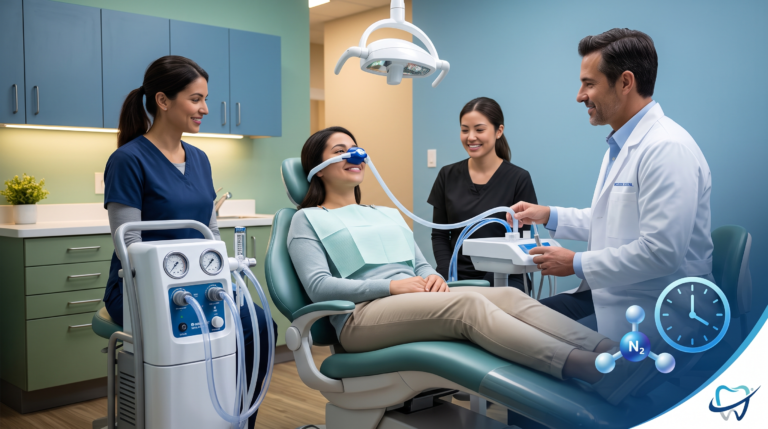
Local anesthesia numbs the treatment area. Sedation may also be an option in some cases. The choice depends on the procedure and your needs, and should be discussed with the treating team.
Ask what the estimate includes and whether sedation would carry a separate charge. If you choose sedation, confirm any travel or recovery arrangements before booking.
Who Provides Each Part of Treatment
Ask who will place the implant, who will fit the final tooth, and who will handle follow-up visits. If more than one clinician or clinic is involved, request a clear breakdown of their fees.
You should also know whom to contact if something feels wrong between appointments. That detail helps you assess the care plan alongside its price.
How Insurance Affects Your Share of the Bill
The total treatment fee and the amount you pay yourself may be different. Your share depends on whether you have dental cover and what your policy pays.
Dental plans can have deductibles, yearly limits, and exclusions. Some policies exclude implants or do not cover replacement of a tooth that was missing before the policy began.
Before treatment, ask your insurer to review the proposed services. Check which items may qualify for benefits and what limits apply. Keep the reply with your written estimate.
If the clinic offers a payment plan, review the deposit, payment dates, interest, and total amount payable. A smaller monthly payment alone does not tell you the full cost.
How to Compare Dental Implant Cost Quotes
Start with written estimates that describe the same goal. Then compare the included work line by line.
Consider a hypothetical example. Clinic A lists implant placement as one fee. Clinic B lists placement, the abutment, and the final crown together. Clinic A’s lower number does not yet show which finished treatment costs less. You need the missing charges before making that judgment.
Ask each clinic to explain anything that is unclear. Useful questions include:
- What is excluded from this estimate?
- Which charges are confirmed, and which are still estimates?
- What findings could change the treatment plan or price?
- Are temporary teeth and follow-up visits included?
- How long is the estimate valid?
Price matters, but the plan should also make sense to you. You should understand the proposed treatment, its alternatives, and who is responsible for each stage.
If two dentists recommend different approaches, ask each to explain why. The difference may concern your treatment needs rather than the price of an identical service.
Practical Advice for Planning Your Budget
Bring Your Records and Health Details
Take a current medicine list, relevant dental records, and any insurance details to the assessment. Tell the dentist about health conditions and tobacco use.
Overall health and smoking can affect healing and implant success. Sharing this information helps the dentist assess your needs.
Ask for a Timeline With Payment Dates
Request a simple outline showing each treatment stage, the likely visits, and when payment is due. Include practical expenses in your own budget, such as travel, childcare, or time away from work.
Ask what might change the schedule. A useful plan leaves room for the treating dentist to assess healing before moving ahead.
Discuss Suitable Alternatives
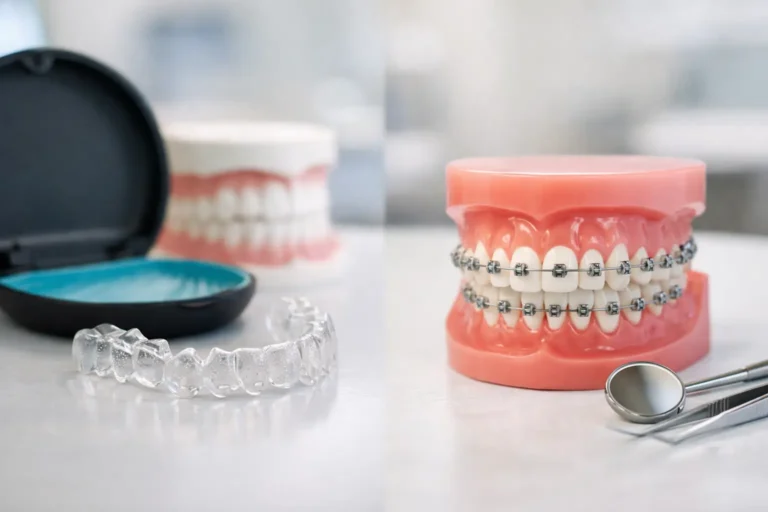
Ask whether a bridge or removable denture could meet your needs. Have the dentist explain the likely care, comfort, limitations, and costs of each suitable option.
Avoid choosing from price alone. The aim is a treatment you understand and can maintain.
Include Care After Treatment
Ask about the cost of future checkups, cleaning, and possible repairs. Also request any warranty terms in writing, including what is covered and what conditions apply.
Implants still need regular cleaning and dental visits. Problems can occur, and a loose or painful implant should be reported promptly to the dentist.
Conclusion
Dental implant cost reflects the full treatment plan, including the replacement teeth and any extra work your mouth needs. A useful estimate explains each charge, what is included, and what could change.
Take time to compare matching services, check insurance details, and ask about future care. To take the next step, contact Family dentistry and ask what an implant assessment and written treatment estimate would involve.