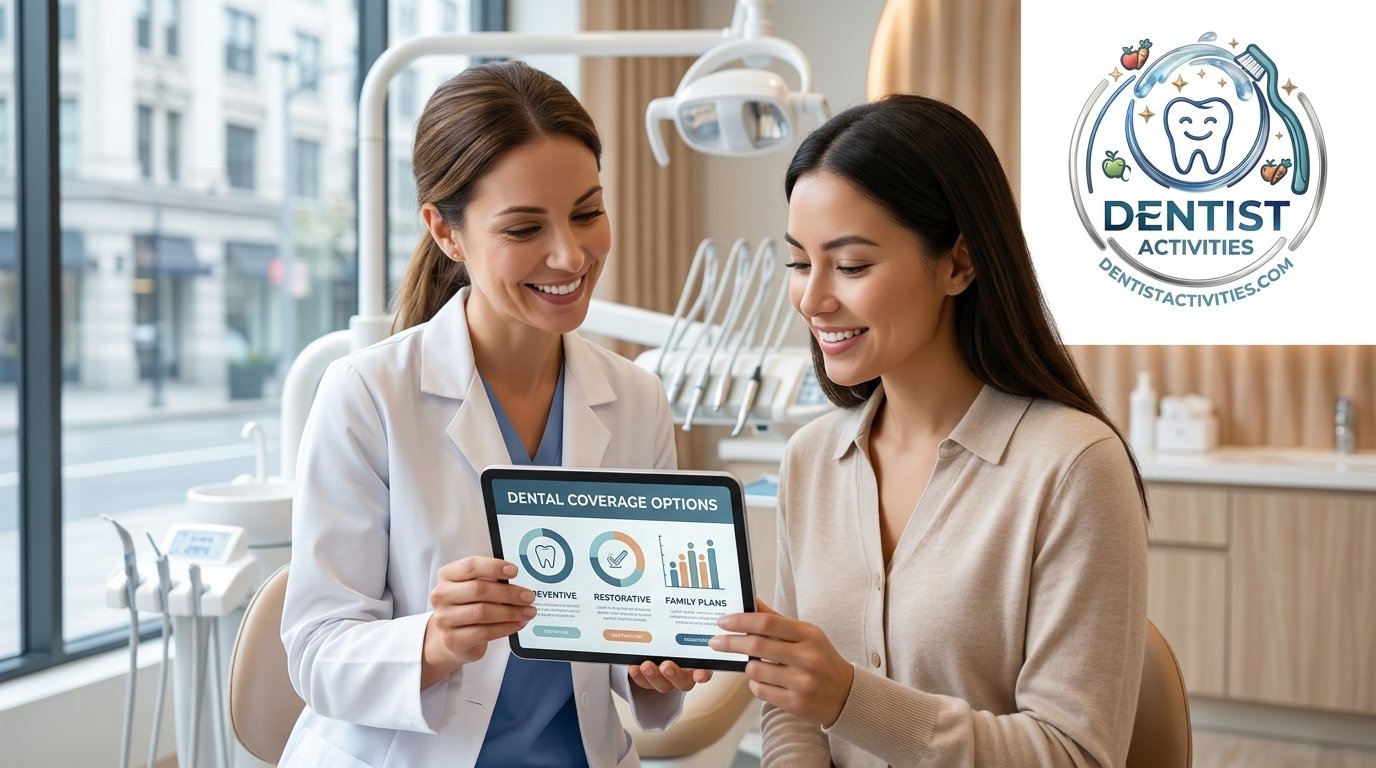
Taking proper care of your teeth shouldn’t require emptying your savings account or going into debt. Yet, millions of individuals and working families put off necessary dental checkups, cleanings, and treatments each year simply because they fear the final bill. Without an employer-sponsored benefits package, private dental care can seem overwhelmingly expensive, leaving many to wonder whether comprehensive care is completely out of reach.
Fortunately, modern options have expanded dramatically. Today, finding cheap dental plans that provide dependable coverage without compromising on the standard of clinical care is entirely possible. Whether you are self-employed, a retiree on a fixed income, a gig worker, or simply shopping for budget-friendly alternatives for your household, understanding how dental coverage works is the key to maximizing savings.
1. What Are Cheap Dental Plans and How Do They Work?
When people search for cheap dental plans, they are usually looking for a cost-effective way to reduce their out-of-pocket costs at the dentist’s office. Unlike major medical insurance, which is designed primarily to protect you from catastrophic financial losses resulting from major illnesses or injuries, dental benefits operate largely on a maintenance model. These plans incentivize preventative care to stop small problems—such as minor plaque buildup or microscopic enamel erosion—from spiraling into severe infections and costly surgeries.
Most cheap dental plans charge an affordable monthly or annual membership fee. In exchange for this regular payment, members receive either insurance benefits that pay a percentage of their covered dental procedures or direct discounted fee rates negotiated with participating providers. Understanding this core structure allows you to evaluate plans not just by their upfront monthly sticker price, but by the true net value they provide throughout an entire year of treatment.
2. Comparing Dental Insurance vs. Dental Savings Plans
One of the most frequent mistakes consumers make when shopping for budget coverage is assuming that traditional dental insurance is the only available option. In reality, both traditional insurance policies and dental savings discount plans offer viable pathways to lower treatment costs, but they operate through entirely different financial mechanisms.
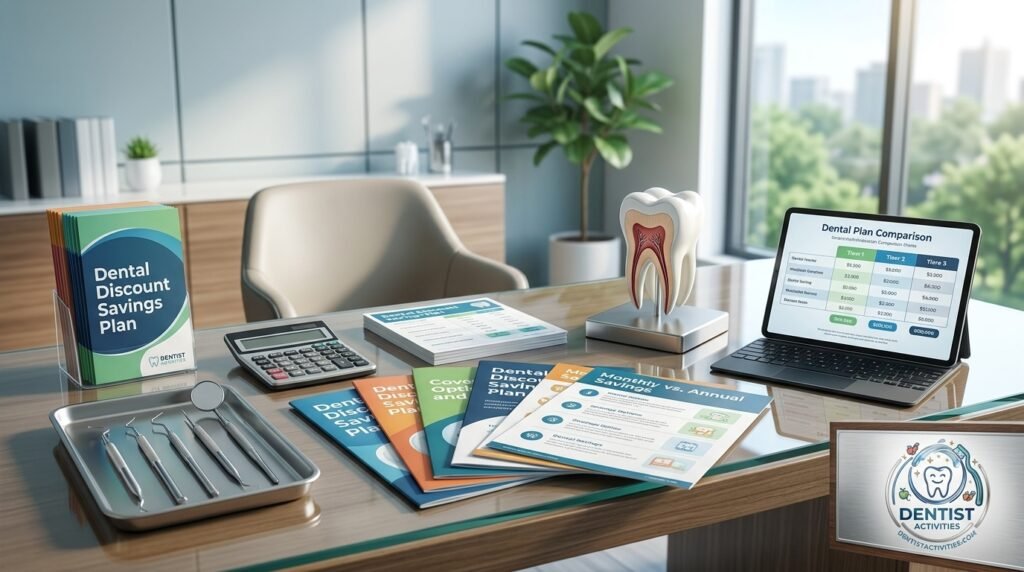
Traditional Dental Insurance (PPO and HMO Plans)
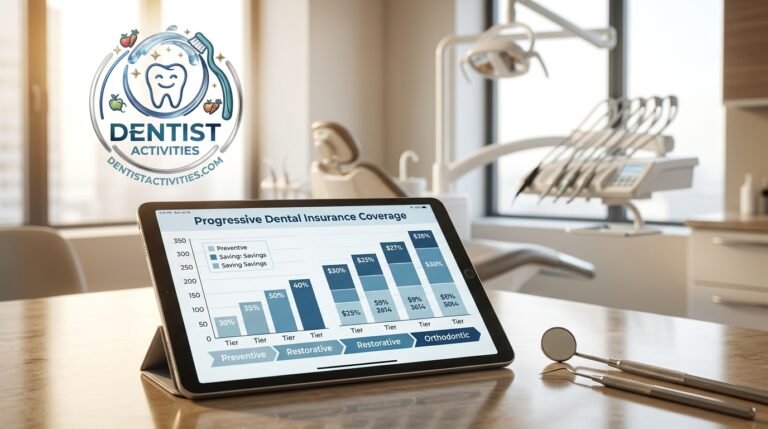
Standard dental insurance policies typically follow a tiered benefits model, frequently referred to as the 100-80-50 structure. Under this framework, preventative checkups and cleanings are covered at 100%, basic restorative procedures (like composite fillings or extractions) are covered at 80%, and major services (such as porcelain crowns, root canals, and dentures) are covered at 50%. While Dental Preferred Provider Organization (DPPO) plans offer wide provider flexibility, Dental Health Maintenance Organization (DHMO) plans typically feature much lower monthly premiums and fixed copayments, making them one of the most popular forms of cheap dental plans on the market.
Dental Savings and Discount Programs
Unlike insurance policies, dental discount plans do not pay claims or impose deductibles. Instead, you pay an affordable annual membership fee that grants you immediate access to a network of licensed dentists who have agreed to discount their standard fee schedules by 10% to 60%. Because there are no insurance claims to process, discount plans carry no annual benefit maximums, zero paperwork hurdles, and no waiting periods. For patients who need major restorative work completed right away, a dental discount plan often results in significantly lower net expenses than entry-level insurance.
3. Key Cost Factors to Evaluate Before Enrolling
Choosing the right plan requires looking far beyond the advertised monthly premium. A policy that costs only $15 a month might seem like an incredible bargain, but hidden restrictions can quickly turn it into an expensive disappointment once you sit in the dental chair.
To ensure you are securing genuinely cheap dental plans that save you money in the long run, carefully evaluate these core components:
- Monthly Premium: The recurring fee you pay to keep your plan active, regardless of whether you visit the dentist that month.
- Annual Deductible: The fixed dollar amount you must pay out of pocket for basic or major procedures before the insurer begins contributing toward treatment costs.
- Annual Maximum Benefit: The upper ceiling that an insurance company will pay toward your dental care during a 12-month calendar year (typically ranging between $1,000 and $2,000).
- Copayments and Coinsurance: The set fee or percentage share of each individual service that remains your personal financial responsibility.
- Network Size and In-Network Discounts: Whether your preferred local clinic participates in the plan’s contracted network to ensure you receive pre-negotiated discount rates.
4. Understanding Dental Plan Waiting Periods and How to Avoid Them
One of the most frustrating surprises for new policyholders is the dreaded waiting period. Many budget-tier dental insurance carriers protect themselves against adverse selection—patients signing up only when they already need expensive emergency procedures—by enforcing mandatory waiting windows. These waiting periods often range from six to twelve months for basic fillings, crowns, and periodontal therapies.
If you are currently experiencing tooth pain or know that you need extensive restorative dental work soon, selecting an insurance plan with long waiting periods will leave you paying full retail price. Instead, seek out cheap dental plans that specifically advertise no waiting periods, or consider dental discount cards, which become active immediately upon enrollment. Additionally, if you are transitioning directly from a prior dental policy without a lapse in coverage, many insurance carriers will gladly waive standard waiting periods upon receiving proof of prior credible coverage.
5. What Treatments Are Covered Under Budget-Friendly Plans?
To get the most value out of cheap dental plans, it helps to understand how procedures are categorized across standard plan tiers. Most reputable budget plans prioritize routine preventative maintenance, as regular dental hygiene prevents gum disease and systemic health complications.
Diagnostic and Preventative Care
Routine exams, biannual professional cleanings, fluoride treatments for children, and diagnostic bite-wing X-rays are almost universally covered at 100% with little to no out-of-pocket cost under basic insurance, or heavily discounted through savings clubs. Taking full advantage of these scheduled appointments ensures your teeth stay healthy and prevents small cavities from escalating into painful nerve problems.
Basic Restorative Services
Basic services encompass simple amalgam or composite tooth fillings, non-surgical tooth extractions, and emergency pain relief interventions. Under most economical PPO and HMO arrangements, you will typically pay between 20% and 40% of the contracted rate for basic procedures once your minimal annual deductible has been met.
Major Restorative and Specialty Care
Major dental treatments include root canal therapy, crowns, bridges, complete or partial dentures, and deep periodontal cleanings. Budget plans vary widely in how they approach major care; while some offer 50% coverage after a waiting period, others exclude major work entirely in exchange for rock-bottom monthly premiums. Carefully reading the policy’s summary of benefits ensures you aren’t blindsided when restorative care becomes necessary.
6. How to Select Affordable Dental Coverage for Families and Seniors
Finding affordable oral care becomes even more critical when managing dental needs across different generations. Families with growing children face frequent checkups, fluoride varnish applications, and potential orthodontic assessments, while older adults and retirees frequently require specialized care for tooth wear, root decay, bridges, and implant maintenance.
For families, choosing cheap dental plans structured around pediatric preventative benefits and pooled annual maximums can deliver substantial cost savings. Children’s dental benefits are also classified as an essential health benefit under Affordable Care Act (ACA) marketplace plans, meaning you can often bundle pediatric dental coverage into family health insurance policies.
For seniors, standard Medicare Parts A and B generally do not cover routine cleanings, fillings, dentures, or extractions. Consequently, seniors must rely on private dental policies, Medicare Advantage (Part C) plans that bundle basic dental benefits, or dedicated senior dental discount plans. Comparing provider networks is vital here, as staying with trusted dentists who understand mature oral health needs is just as important as keeping monthly premiums reasonable.
7. Additional Strategies to Lower Out-of-Pocket Dental Expenses
Enrolling in cheap dental plans is a fantastic foundation, but combining your coverage with proactive financial strategies can drive your total dental spending down even further. Savvy patients regularly combine multiple cost-reduction techniques to protect their finances while maintaining pristine oral hygiene.
First, consider leveraging tax-advantaged accounts such as a Health Savings Account (HSA) or Flexible Spending Account (FSA). By setting aside pre-tax dollars from your paycheck, you can pay for eligible dental deductibles, copays, orthodontics, and prescription rinses, effectively saving 20% to 35% on every qualifying expense based on your income tax bracket.
Second, never hesitate to communicate openly with your dentist’s administrative team. Many private practices offer flexible, interest-free in-house payment installment arrangements, or offer self-pay cash discounts for patients who settle invoices on the day of treatment. Furthermore, local accredited dental schools and hygiene colleges regularly provide top-tier preventative cleanings, fillings, and screenings supervised by board-certified dental faculty at a small fraction of standard commercial clinic rates.
8. Common Pitfalls to Watch Out for When Choosing a Dental Plan
While the internet makes comparing cheap dental plans quick and convenient, shopping strictly on price can sometimes lead consumers into restrictive or predatory contracts. Being aware of industry traps ensures that you choose a policy that offers genuine peace of mind.
One widespread pitfall is choosing an ultra-low-cost plan with an excessively narrow provider directory. If none of the experienced dentists in your local community accept the network, you will be forced to travel long distances or pay non-network fees that wipe out any savings on premiums. Always run your family dentist’s name through the insurer’s active directory or call the clinic directly to verify their network participation status before enrolling.
Another crucial detail to check is the annual benefit maximum. Some bare-bones insurance policies cap annual payouts at $500 or $750. While this might be adequate for a healthy individual requiring only cleanings, a single fractured tooth requiring a crown can exhaust the entire annual benefit immediately. Reviewing exclusions, missing-tooth clauses, and reimbursement rules beforehand will safeguard your health and your wallet.
Conclusion
Securing dependable oral care should never be a luxury reserved for those with expensive corporate benefit plans. By taking the time to compare traditional insurance options against flexible dental savings programs, you can easily identify cheap dental plans that fit your household budget while giving you access to experienced, caring practitioners.
Prioritize preventative care, verify your local dentist’s network participation, confirm that waiting periods align with your immediate oral health needs, and take advantage of tax-advantaged savings accounts. With the right strategy in place, you can protect both your oral health and your financial stability, keeping your smile confident and healthy for years to come.
Frequently Asked Questions (FAQs)
Are cheap dental plans worth the investment?
Yes, cheap dental plans are generally well worth the modest investment because they cover costly routine preventative checkups and cleanings that prevent severe, expensive dental diseases down the road. Furthermore, in-network negotiated rates ensure that even if you pay out of pocket for a filling or crown, you pay significantly less than the dentist’s standard uninsured retail price.
Can I get dental coverage that takes effect immediately?
Yes. While many traditional dental insurance policies impose waiting periods of 6 to 12 months for basic and major restorative care, there are specific plans that waive waiting periods for preventative care and simple fillings. Additionally, dental savings discount clubs provide immediate activation, allowing you to access discounted rates the very day you enroll.
Is a dental discount plan better than cheap dental insurance?
Neither option is universally superior; the right choice depends entirely on your current oral health status. If you primarily need routine cleanings and checkups, cheap dental insurance with 100% preventative coverage is ideal. However, if you already have broken teeth, need multiple crowns, or require expensive gum treatments right away, a dental discount plan is often better because it features no waiting periods and no annual maximum payout caps.
Will cheap dental plans cover cosmetic treatments like teeth whitening?
Most budget-friendly dental plans focus strictly on medically necessary treatments and preventative maintenance, meaning purely cosmetic procedures like professional teeth whitening, porcelain veneers, or cosmetic bonding are typically excluded from insurance coverage. However, many dental discount programs do negotiate 15% to 30% discounts on select cosmetic services with participating dentists.
How do I check if my current dentist accepts a specific budget plan?
The most reliable method is to call your dentist’s billing or front-desk coordinator directly and provide the exact name of the plan and carrier you are evaluating. While online provider directories are helpful, calling the office guarantees you have the most up-to-date information regarding network participation and current fee schedules.