So you jumped online to look up denture prices. Big mistake. Suddenly you’re staring at numbers ranging from a few hundred bucks to tens of thousands. Your head is spinning. And honestly? That’s a totally fair reaction.
Nobody tells you what’s normal. Nobody explains the gap. You’re just left sitting there wondering if someone’s pulling your leg.
But here’s what most people don’t realize. Those price differences actually make sense. Every dollar has a reason behind it. You just need someone to walk you through it plainly.
That’s exactly what this post does. Stick around and you’ll get the real price ranges. You’ll find out what drives costs up — and what keeps them down. Plus, you’ll leave knowing how to actually get solid value for what you spend. Let’s get into it.
A Quick Look at Denture Price Ranges
Let’s start with the broad view. Before we dig into the details, here’s a table that lays out the basics. It’s a great place to anchor yourself before anything else.
| Denture Type | Typical Price Range (Per Arch) | Best For | Lifespan |
| Basic full dentures | $600–$1,500 | Budget-friendly full replacement | 5–7 years |
| Mid-range full dentures | $1,500–$3,000 | Better fit and materials | 7–10 years |
| Premium full dentures | $3,000–$8,000 | Natural look and comfort | 10+ years |
| Partial dentures | $700–$2,500 | Replacing a few teeth | 5–10 years |
| Implant-supported dentures | $5,000–$25,000+ | Maximum stability | 15–20+ years |
One thing to keep in mind. These numbers are rough estimates. Your actual price shifts depending on several things — and we’ll cover all of them. Use this table as a starting point, not a final quote.
The Main Types of Dentures and What They Cost
Here’s something people overlook. Dentures aren’t one-size-fits-all. Different situations call for different solutions. And each solution carries its own price. Let’s break them down one by one.
Full Dentures
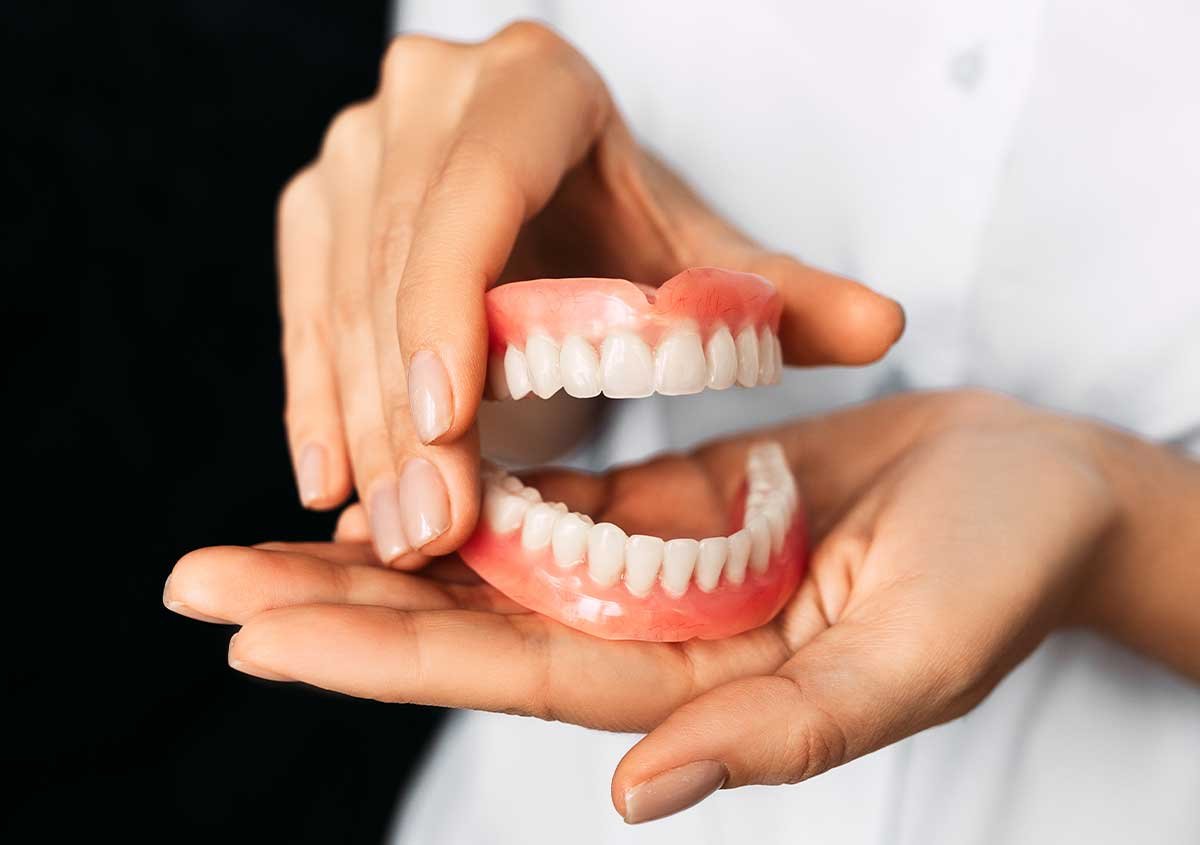
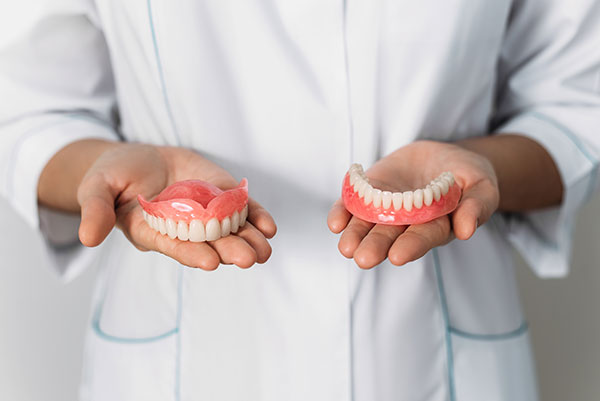
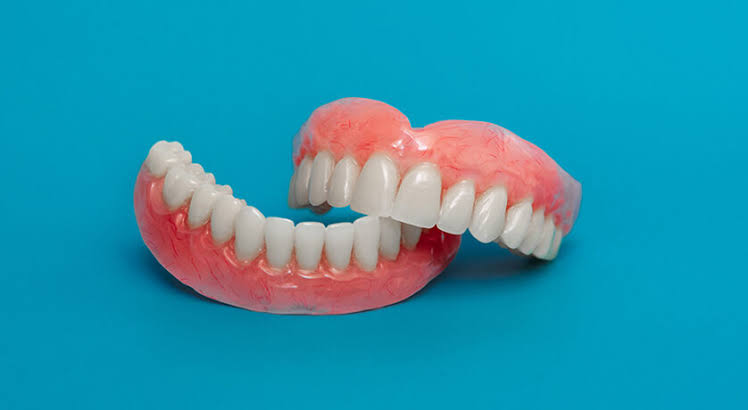
Lost most of your teeth? A full set is usually the answer. It replaces everything on the top, the bottom, or both arches at once.
Now, full dentures aren’t all equal. There are tiers. Basic sets do the job without fancy extras. Mid-range sets bump up the materials and the fit. Premium sets? They look incredibly natural and feel the most comfortable in your mouth.
Here’s the honest trade-off, though. Going cheap saves you money right now. But cheaper sets tend to wear down faster. They may need replacing much sooner than you’d like. So that “bargain” can quietly cost more over time.
Partial Dentures
Still got some good teeth hanging around? Then partials might be your thing. They slip in and fill the missing spots without touching the healthy ones. Picture puzzle pieces sliding into place.
Price-wise, it moves around. The number of teeth being replaced plays a big role. So does the frame material — and that part matters more than people think.
Two main options exist here. Acrylic partials are gentler on your wallet. Metal-framed ones run pricier, but they’re tougher and hold up better over years of daily use. Both are solid choices depending on your needs.
Implant-Supported Dentures
These are the gold standard. They clip directly onto dental implants that sit in your jawbone. That means zero slipping. No awkward shifting mid-laugh. They stay put, period.
Yes, they cost significantly more. There’s no sugarcoating that. But a huge chunk of people say the stability alone is worth the investment.
And here’s the part that makes the math work in your favor. They last a very long time. Way longer than traditional sets. So while the upfront number stings, the long-term picture often looks much better than you’d expect.
Immediate vs. Conventional Dentures
Timing is the main difference between these two. Immediate dentures go in the same day your teeth come out. You leave the office with a full smile. Pretty great, right?
Conventional dentures take a slower road. Your gums heal fully first. Then the dentures are fitted. It takes longer, but the fit tends to be more precise right from the start.
The catch with immediate dentures? They often need relines or tweaks as your gums shrink during healing. Those adjustments add to your total bill. Worth knowing before you choose.
Key Factors That Affect the Price
Okay, now we get to the core of it. What actually decides where your price lands? Several things. Here’s each one explained clearly.
The Materials Used
Material choice has a real impact. Acrylic is the most affordable option and gets the job done. Porcelain is pricier but looks more lifelike. Flexible resin sits somewhere in the middle of both worlds.
The general pattern holds true across the board. Better materials mean a more natural appearance. They also last longer without cracking or fading. Spending a bit more on materials tends to pay off over the long haul.
The Number of Teeth Being Replaced
Pretty straightforward here. Fewer teeth to replace means a lower price. Replacing an entire arch costs more than filling in a few gaps.
Going full-mouth — both top and bottom — roughly doubles the single-arch price. It’s simple math when you think about it. More work, more material, more cost.
Your Dentist’s Experience and Skill
An experienced dentist often charges more. That’s just reality. But their skill shows up in ways that actually matter — like a proper fit that doesn’t cause sore spots.
A well-fitted set avoids a chain of problems down the line. Fewer adjustments. Less discomfort. Less time in the chair fixing things. The extra upfront cost quietly saves you from bigger expenses later.
Where You Live
Geography matters more than most people expect. Big cities tend to carry higher prices than rural areas. Overhead, rent, staffing — it all rolls into what you pay.
Even within the same city, prices shift between clinics. If you’re exploring options for Dentures in Houston, it’s genuinely worth calling two or three offices. The variation can surprise you.
Extra Procedures You Might Need First
Sometimes your mouth needs prep work before dentures can go in properly. These steps add to your total but serve a real purpose. Common ones include:
- Tooth extractions
- Bone grafting
- Gum treatment
- Follow-up relines and adjustments
Don’t stress when you hear about these. They’re not unnecessary extras. They make your final result more comfortable and longer-lasting. A solid foundation matters — even with dentures.
Insurance and Financing: Making Dentures Affordable
Money stress is real. But take a beat. There are more payment options out there than most people realize. You’re not stuck with one path.
Here’s a quick rundown of what’s usually available:
- Dental insurance — Many plans chip in on the cost, usually up to a yearly cap.
- Payment plans — Break the total into monthly amounts that don’t hit as hard.
- Dental savings plans — Membership-style programs that cut your out-of-pocket expense.
- Financing companies — Third-party lenders work well for bigger treatments like implant-supported options.
- Government or community programs — These exist for people who qualify and need extra help.
One tip that saves a lot of headaches. Always ask for a written estimate before any treatment begins. Read through what your plan actually covers. Surprises after the fact are no fun.
And if you’re covering the dentures cost without insurance? Ask about payment plans on your very first call. Most clinics have options ready. You just have to ask.
How to Get the Best Value for Your Money
Value isn’t the same as cheap. It never is. Getting real value means being thoughtful, not just hunting for the lowest number you can find.
A few habits make a big difference here:
- Gather quotes from at least two or three clinics before committing
- Ask what’s included — fittings, follow-ups, and adjustments shouldn’t be hidden surprises
- Think about the long-term cost, not just today’s sticker price
- Mid-range options often hit the sweet spot between quality and affordability
- Ask whether the dentures come with a warranty or any kind of guarantee
Cheap upfront sometimes means expensive over time. A slightly higher price can quietly deliver more comfort, better quality, and far fewer problems. Worth thinking about seriously.
What to Watch Out for With Cheap Dentures
Let’s have an honest moment here. Budget options are tempting — really tempting. But they carry risks that aren’t always obvious until you’re already dealing with the fallout.
Here’s what can go sideways with bargain dentures:
- A poor fit that rubs your gums raw or slips at the worst moments
- Materials that stain, chip, or crack well before they should
- Repeated adjustments that quietly pile up and eat your savings
- An unnatural appearance that just doesn’t look or feel like you
Does that mean cheap is always wrong? Not exactly. But going in with eyes open matters. Paying a bit more upfront very often saves you real money — and real frustration — down the road.
Are Dentures Worth the Investment?
Step back from the dollar signs for a second. Think about what dentures actually give you back. For most people, it’s more than they expected.
Here’s the real return on that investment:
- Biting into your favorite foods without thinking twice
- Talking clearly without mumbling or second-guessing yourself
- Keeping your facial structure looking full and natural
- Smiling freely — in photos, in conversations, wherever
That’s not just cosmetic stuff. That’s quality of life. Daily confidence. Real comfort. When you frame the cost that way, the whole thing feels different. It stops being a dental expense and starts being something genuinely worth every dollar.
Making the Smart Choice for Your Smile
Alright, let’s bring this home. Denture prices bounce around for legit reasons. And now you know what those reasons actually are. That changes things, doesn’t it?
No more sticker shock. No more wondering why one clinic charges twice what another does. You’ve got the knowledge to ask better questions and make a smarter call.
Here’s your next move. Talk to a dentist you trust. Request a clear, itemized estimate. Then match the option to your actual needs — not just your budget, but your lifestyle and your long-term goals too.
The friendly team at Smile4Ever Family Dentistry is happy to walk you through the cost of dentures step by step, no pressure. And plenty of Houston Dentists offer free consultations, so getting started costs you nothing upfront.
Your smile is worth the effort. Take that first step and go find out what’s possible.
Frequently Asked Questions
How much do dentures usually cost in Houston?
Prices around Houston shift quite a bit depending on the type you choose and the materials involved. Basic sets start at the lower end of the range, while implant-supported options climb significantly higher. Most local clinics offer free consultations and written estimates, so you’ll have a clear number before making any decisions.
Can I get dentures if I have no insurance?
Absolutely — no insurance doesn’t mean no options. Clinics regularly offer payment plans, dental savings memberships, and third-party financing to help spread the cost. Handling the dentures cost without insurance is far more manageable than most people assume, so ask your dentist directly about what’s available to you.
How long do dentures usually last before replacement?
Lifespan depends on the type and how well you care for them day to day. Basic sets typically hold up for five to seven years. Premium and implant-supported dentures can easily last a decade or more when you keep up with cleanings and see your dentist regularly for checkups and minor adjustments.