Teaching young children the fundamentals of oral hygiene can often feel like an uphill battle. Morning and evening routines routinely dissolve into protests, rushed brushing, or outright refusals. While lectures on enamel wear and cavity formation fall flat with youngsters, hands-on play bridges the developmental gap seamlessly. Introducing an interactive dental toy for proper health knowledge transforms daily oral care from a tedious chore into an empowering learning ritual. By translating abstract health concepts into tactile exploration, children grasp not only how to take care of their smiles, but also why each step protects their overall health.
Modern pediatric education underscores the profound link between early experiential play and long-term health literacy. When boys and girls engage with anatomical tooth models, play dental instruments, and role-playing puppets, they actively deconstruct fear while absorbing essential hygienic practices. Investing in carefully designed developmental play tools lays the groundwork for self-directed personal hygiene, eliminating morning resistance and creating positive, lasting dental impressions.
Why Interactive Play Outperforms Traditional Brushing Demonstrations
Young children think in concrete terms. Abstract explanations such as “sugar bugs causing microscopic demineralization” simply lack tangible meaning to a toddler or preschooler. Demonstrating brushing directly inside a child’s mouth also comes with visibility limitations; they cannot actually see their molars, understand the curvature of the dental arch, or witness plaque removal in real time.
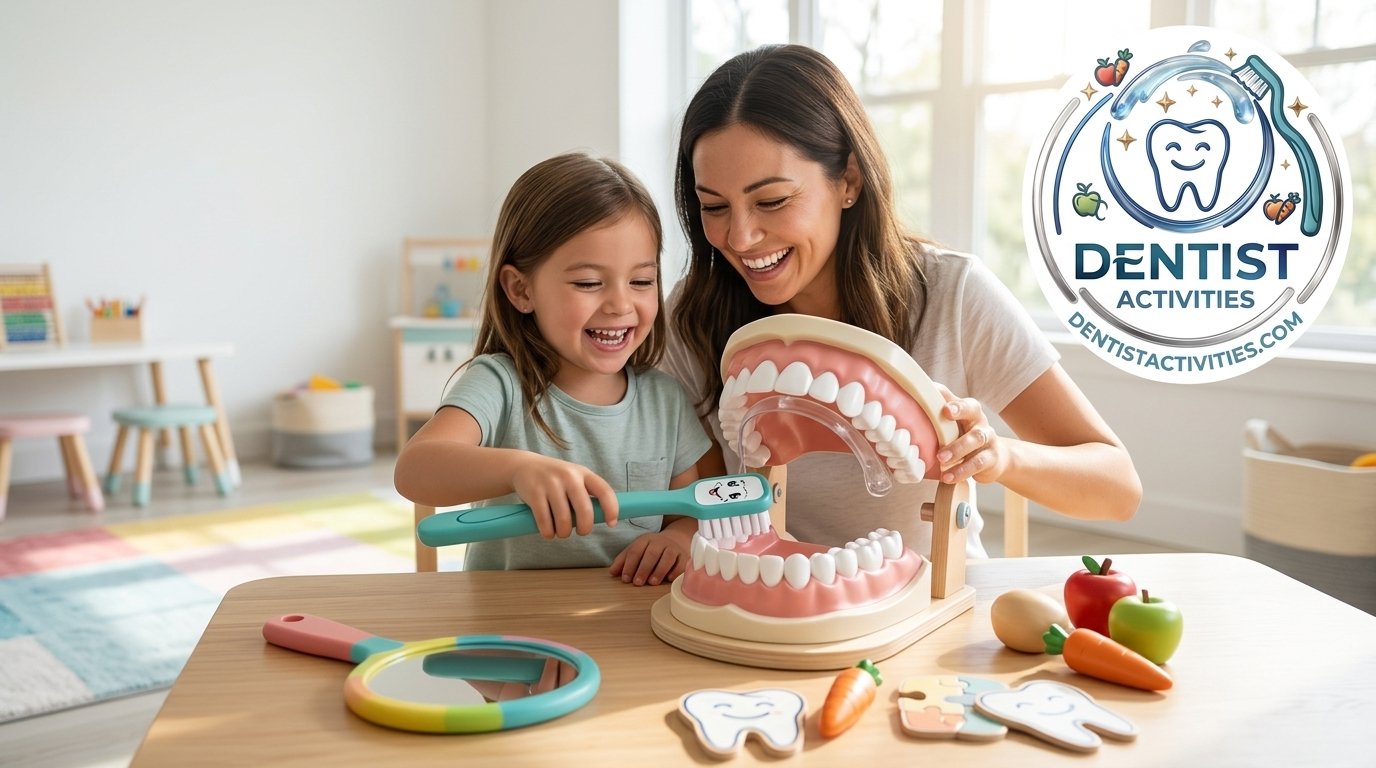
A specialized dental learning toy circumvents these sensory hurdles by placing a fully visible, tactile mouth model directly in the child’s hands. By manipulating scaled tooth structures, exploring oversized nylon bristles, and examining simulated plaque deposits, kids build spatial awareness of their mouth. Research in developmental psychology affirms that multi-sensory tools dramatically improve knowledge retention compared to passive verbal guidance. Interactive models turn passive listeners into active investigators, setting the stage for authentic oral health mastery.
What Defines an Effective Dental Toy for Proper Health Knowledge?
Not all play medical sets offer genuine educational value. Generic plastic kits frequently focus on whimsical medical accessories without illustrating actual biological concepts or correct techniques. A purpose-built dental toy for proper health knowledge intentionally incorporates realistic anatomical structures, proportional arches, and functional accessories that simulate real oral hygiene tasks.
High-impact developmental tools emphasize accurate dental anatomy, complete with distinct incisors, canines, and molars. These kits provide lifelike bristles capable of reaching interdental gaps, visual indicators for plaque or decay, and mirrors that encourage systematic inspection. By prioritizing physical accuracy over novelty, these learning tools cultivate genuine hygienic competence rather than temporary distraction.
Key Developmental Benefits of Early Dental Hygiene Toys
Introducing children to structured hygiene toys unlocks multifaceted developmental advantages that extend well beyond clean teeth. At its core, manipulating handheld brushes, dental mirrors, and floss threaders refines fine motor coordination and pincer grasp precision, which are essential precursors for independent self-care and handwriting.
Beyond motor skills, these kits strengthen cognitive categorization and cause-and-effect reasoning. As children identify which foods promote healthy gums and observe how physical brushing clears colored residue from tooth surfaces, they connect behavioral choices with bodily outcomes. This dynamic reinforces personal autonomy, empowering kids to take pride in their hygiene rather than viewing it as a parent-mandated chore.
Step-by-Step: Teaching Correct Brushing Techniques Through Play
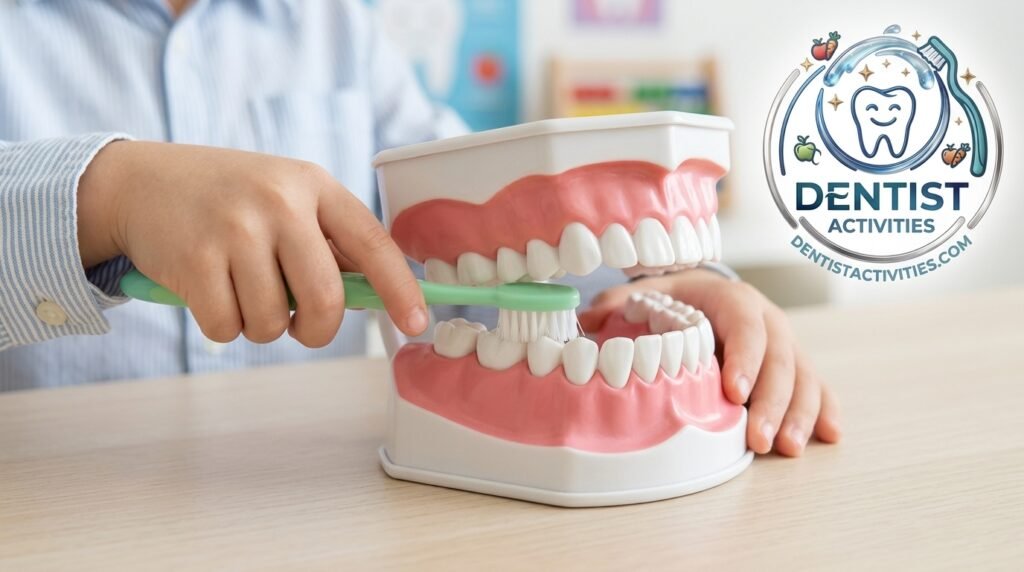
Mastering the mechanics of thorough toothbrushing requires more than erratic scrubbing across front teeth. Pediatric dentists emphasize the modified Bass technique—angling bristles at 45 degrees toward the gum line and sweeping in gentle, circular vibrations. Practicing this motion in a small, wet mouth is frustrating for beginners, but a model mouth simplifies the process into intuitive steps:
1. Visualizing the Dental Arches
Begin by guiding your child to inspect the upper and lower arches of their play set. Help them count the chewing surfaces, lingual (inner) surfaces, and facial (outer) walls.
2. Practicing the Angle and Pressure
Demonstrate how holding the brush bristles gently against the gumline sweeps away debris without flattening the bristles. Let the child test pressure levels directly on the toy teeth.
3. Implementing the Quadrant System
Divide the toy mouth into four distinct quadrants. Use an engaging timer or song to spend thirty seconds actively scrubbing each section, cementing the habit of balanced, complete coverage.
Eliminating Pediatric Dental Anxiety and White-Coat Fear
Dental fear affects millions of young patients, often stemming from the unpredictability of unfamiliar sensory inputs—bright overhead lights, buzzing tools, and masked faces. When children encounter these elements for the first time in a clinical setting, sensory overload frequently sparks anxiety or panic.
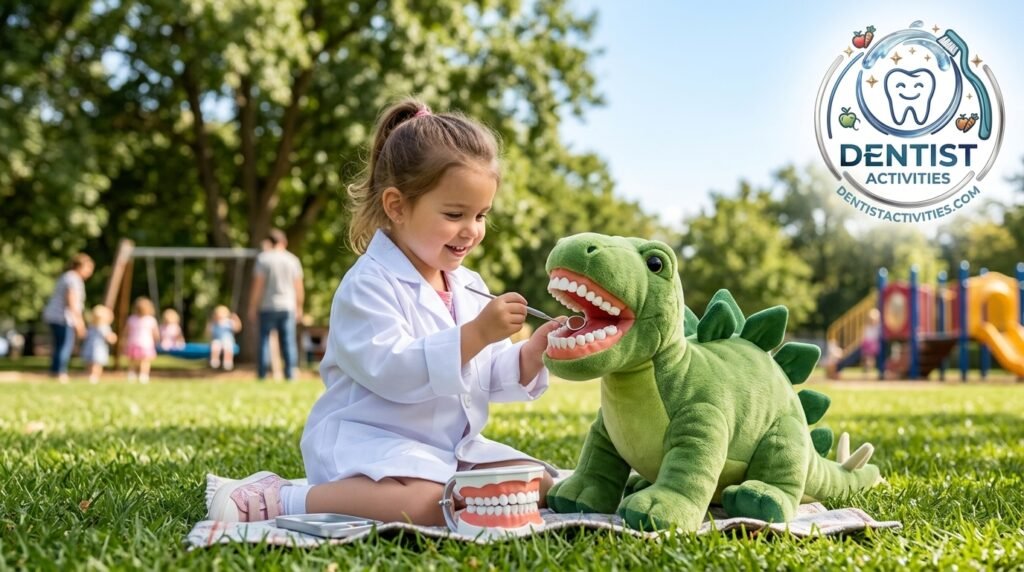
Role-reversal play with an educational hygiene kit alters this dynamic completely. By acting as the “dentist” and examining a doll, plush animal, or parent, the child assumes control over the examination process. They operate the mouth mirror, soundlessly tap model teeth, and conduct simulated cleanings. Familiarizing children with clinical tools through relaxed domestic play neutralizes fear of the unknown, ensuring their upcoming professional cleanings are calm, cooperative experiences.
Age-Appropriate Features to Look For Across Childhood Stages
As children mature, their cognitive sophistication and manual dexterity evolve, requiring different features from their educational toys:
- Toddlers (Ages 1–3): Focus on durable, oversized, single-piece models with smooth silicone edges. At this stage, toys should focus on basic cause-and-effect, color contrast, and joyful familiarity with toothbrushes without tiny detachable parts.
- Preschoolers (Ages 3–5): Choose complete arch models featuring distinct tooth types, child-safe dental mirrors, and plush patient companions with wide-opening jaws. These sets support engaging role-play scenarios and hands-on flossing practice with thick yarn or safety ribbon.
- Early Elementary (Ages 6+): Select advanced kits that highlight mixed dentition, shedding baby teeth, and permanent tooth eruption. Kits with dry-erase markers for marking simulated decay, educational anatomy cards, and interactive plaque-detecting lights satisfy growing curiosity with deeper scientific rigor.
Safety, Materials, and Maintenance Considerations
Because hygiene toys frequently end up near young mouths during enthusiastic pretend play, material integrity is paramount. Always select products crafted from non-toxic, food-grade silicone, high-grade BPA-free plastics, or sustainably harvested solid hardwoods finished with water-based non-hazardous sealants. Ensure the model complies with recognized international toy safety standards and contains no loose magnets or hazardous small swallowable parts for kids under three.
Hygiene tools must also remain sanitary to prevent mold or bacterial buildup. Opt for open-cavity designs devoid of trapped water reservoirs, making them easy to sanitize with warm, soapy water or gentle vinegar washes. Ensuring quick-drying storage preserves the longevity of the kit while reinforcing the very cleanliness lessons it was designed to teach.
Integrating Daily Brushing Routines with Creative Play
Owning an educational kit is merely the first step; maximum benefit occurs when playful insights seamlessly bridge the gap into the bathroom. Keep the practice mouth accessible near the sink during morning and evening grooming. Allow your child to run through a quick 30-second “warm-up” brushing session on their toy before tackling their real teeth.
Parents can also introduce storytelling challenges, such as rescuing model teeth from tricky sticky snacks using miniature dental tools. When oral care mirrors the imaginative adventures children enjoy during daytime play, bedtime battles dissipate, replaced by enthusiasm, cooperation, and genuine pride in personal cleanliness.
Long-Term Health and Economic Impact of Early Dental Education
Childhood dental caries remain the single most common chronic disease among children worldwide, leading to preventable pain, missed school days, and steep pediatric dental bills. Fortunately, nearly all early childhood decay is preventable through systematic mechanical cleaning, balanced nutritional choices, and timely dental checkups.
Investing in a high-caliber dental toy for proper health knowledge delivers outsized returns for family wellness. Children who internalize thorough plaque removal techniques and view oral hygiene positively avoid traumatic emergency dental interventions, space maintainers, and complex restorations. The modest investment in educational play translates into decades of radiant, healthy smiles and minimal invasive restorative treatments.
Conclusion
Guiding children toward consistent, lifelong oral wellness does not require conflict, coercion, or clinical lectures. By equipping your child with a dedicated dental toy for proper health knowledge, you meet them precisely at their developmental level: through curious, tactile, imaginative play. These intuitive tools demystify clinical procedures, instill flawless mechanical brushing patterns, and cultivate personal accountability for oral health. Give your child the gift of dental confidence today, and watch an engaging daily playtime transform into a lifetime of strong, bright, and cavity-free smiles.
Frequently Asked Questions (FAQs)
At what age should I introduce a dental learning toy to my child?
You can introduce basic, silicone-based tooth models and soft play brushes as early as 18 months to 2 years of age. At this introductory stage, the primary objective is sensory familiarization and easing apprehension around toothbrushes. More comprehensive anatomical sets and role-play kits featuring mirrors and yarn flossing provide the greatest developmental benefits between ages 3 and 7.
Can playing with a tooth model actually help my child brush better?
Yes. Children lack an intuitive bird’s-eye view of their own mouths. Practicing on an external model allows them to visually understand where plaque hides, how to place bristles at the gum line, and why the back chewing surfaces require special circular attention. Children who practice on anatomical toys consistently display superior technique and duration during real brushing sessions.
How do I use a dental toy to prepare my child for their first dental visit?
Set up a relaxed “clinic” role-play day at home several weeks before the scheduled visit. Let your child inspect your teeth or their favorite stuffed animal’s teeth using the toy mouth mirror and counting probe. Reverse roles so they experience having their own teeth counted with a soft, friendly mirror. This familiarity removes surprise, reassuring them that checkups are simple, painless, and fun.
What is the safest way to clean and sanitize children’s dental toys?
Wash solid plastic and silicone components regularly using warm water and mild, antibacterial dish soap. For deep sanitization, submerge durable non-electronic pieces in a 50/50 mixture of distilled white vinegar and warm water for 15 minutes, rinse thoroughly, and allow them to air dry completely in a well-ventilated area to prevent mold formation.