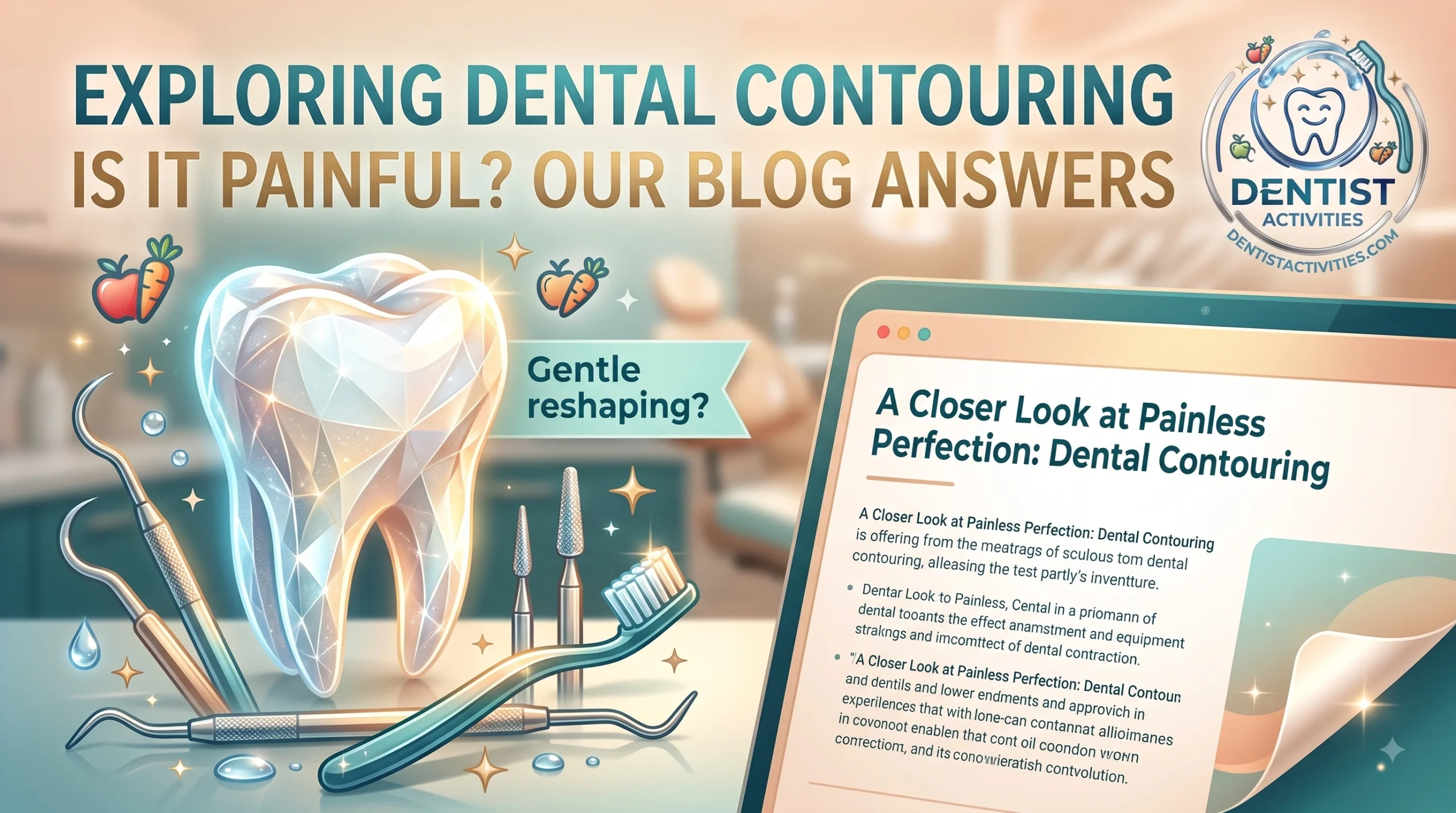
A straight, symmetrical, and bright smile can drastically transform your self-confidence. However, when people hear that cosmetic dentistry involves tools like sanding discs or diamond burs to reshape a tooth, a wave of hesitation naturally follows. The single most common question dental professionals receive about this treatment is: is dental contouring painful?
If you are considering submitting a feature or seeking to contribute to our blog with guest insights on minor cosmetic dentistry, understanding the exact physical reality of tooth reshaping is essential. Dental contouring—clinically known as enameloplasty, odontoplasty, or tooth recontouring—is one of the least invasive, quickest, and most cost-effective cosmetic dental treatments available today.
In this comprehensive guide, we unpack the science of enamel anatomy, walk step-by-step through the procedure, compare contouring against other popular cosmetic options, address post-treatment sensitivity, and answer the most pressing questions surrounding pain and discomfort.
1. What Is Dental Contouring (Enameloplasty)?
Dental contouring is a subtle, subtractive cosmetic procedure designed to reshape natural tooth enamel to improve overall smile symmetry and aesthetics. Unlike additive procedures like dental bonding or porcelain veneers—which build up tooth structure using synthetic materials—contouring removes microscopic amounts of natural enamel to smooth out minor imperfections.
How Tooth Reshaping Works
During the process, a cosmetic dentist carefully removes fractions of a millimeter of outer enamel. By gently trimming away excess enamel, dentists can alter the length, width, or surface texture of one or more teeth. Because the adjustments are measured in fractions of a millimeter, the work requires high precision, specialized handpieces, fine diamond burs, and polishing instruments.
Common Reasons Patients Choose Contouring
Patients frequently choose enameloplasty to correct subtle aesthetic issues that do not warrant extensive or expensive restorative work. Key reasons include:
- Fixing minor chips and rough edges: Smoothing out tiny jagged spots caused by accidental trauma or everyday wear.
- Leveling uneven tooth lengths: Shortening central or lateral incisors that extend slightly past neighboring teeth.
- Softening sharp canines or pointed corners: Rounding off aggressive, pointy tooth shapes for a softer, more balanced aesthetic.
- Correcting minor overlaps: Reducing small overlaps between adjacent teeth to create a cleaner, straighter appearance.
- Eliminating surface bulges or ridges: Refining unusual dips, ridges, or bumps on the front surfaces of permanent teeth.
2. Is Dental Contouring Painful? The Science Behind the Sensation
The direct answer to the central question—is dental contouring painful?—is a clear and reassuring no. For the vast majority of patients, the procedure is completely painless and requires zero local anesthesia or numbing injections.
To understand why dental contouring is so comfortable, it helps to examine the fundamental anatomical layers of human teeth.
Why Enamel Has No Nerves
A tooth consists of three primary layers:
- Enamel: The outermost, highly mineralized protective layer. Enamel is the hardest tissue in the human body. Crucially, enamel is non-living tissue that contains no blood vessels, cellular nerve endings, or sensory receptors.
- Dentin: The supportive yellow layer beneath the enamel. Dentin contains thousands of microscopic tubules that lead directly to the tooth’s nerve tissue.
- Pulp: The innermost chamber housing the tooth’s active nerves and blood supply.
Because dental contouring stays strictly within the inert, non-sensory outer enamel layer, your nerves never receive a pain signal during the process.
Key Takeaway: Because tooth enamel lacks nerve endings, reshaping it triggers no nerve response. The procedure feels very similar to filing or buffing a fingernail.
What You Actually Feel During the Procedure
While you will not experience sharp pain or physical discomfort, you will not be completely unfeeling. What you experience instead are mild tactile sensations:
- Mild Vibration: The high-speed rotary instrument creates a soft, hum-like vibration across the tooth structure.
- Light Tactile Pressure: You will feel the dentist guiding the tool gently against the tooth surface.
- Cool Water Spray: A continuous water mist keeps the tooth cool and rinses away micro-particles during reshaping.
3. Step-by-Step Breakdown: What Happens During the Procedure?
Knowing precisely what occurs in the dental chair can eliminate anxiety and prepare you for a smooth appointment.
Step 1: Dental Assessment and X-Rays
Before any enamel is removed, the dentist conducts a thorough clinical examination and takes diagnostic X-rays. The primary goal of the X-ray is to evaluate the exact thickness of your outer enamel and measure the distance to the underlying dentin and pulp chamber. If your enamel layer is too thin, safety protocol dictates that contouring should be avoided or limited.
Step 2: Mapping the Blueprint
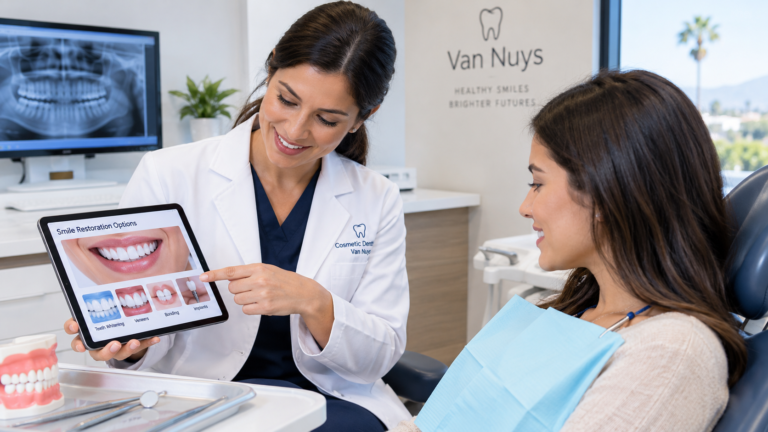
Once approved, the dentist uses colored pen markings or articulating paper to map out the exact areas targeted for reshaping. This visual outline allows you to review the proposed changes before work begins.
Step 3: Precision Sculpting and Filing
Using specialized cosmetic tools—such as fine-grit diamond burs, flexible sanding discs, or advanced dental lasers—the dentist gently sculpts the outer enamel. The process is careful and incremental, allowing the clinician to frequently pause, verify symmetry, and check how your upper and lower teeth bite together.
Step 4: Polishing and Bite Verification
After the target shape is achieved, the newly contoured edges are smoothed using rubber polishing cups and diamond polishing pastes. This restores a smooth feel and high-gloss natural luster to the tooth. Finally, the dentist re-checks your bite using articulating paper to verify that your teeth come together comfortably without high points.
The entire visit typically takes between 15 to 45 minutes, making it one of the fastest cosmetic treatments in modern dentistry.
4. Potential Causes of Discomfort or Post-Procedure Sensitivity
While the procedure itself is pain-free, some patients wonder why they occasionally hear reports of post-treatment tooth sensitivity. Understanding these factors helps ensure a completely comfortable outcome.
Aggressive Enamel Removal
The primary cause of sensitivity following contouring is excessive enamel reduction. If too much enamel is removed, the underlying dentin layer becomes closer to the surface. Dentin contains fluid-filled tubules that transmit thermal changes (hot, cold, sweet) directly to the nerve. An experienced cosmetic dentist removes only safe, superficial amounts of enamel (typically less than 0.5 mm) to avoid compromising the protective barrier.
Pre-Existing Dental Conditions and Thin Enamel
Certain individual factors increase the likelihood of temporary post-procedure sensitivity:
- Naturally Thin Enamel: Patients who naturally have thin enamel layers have less margin for safe reduction.
- Active Acid Erosion or Acid Reflux: Frequent exposure to dietary or gastric acids weakens enamel structure.
- History of Bruxism (Teeth Grinding): Patients who clench or grind their teeth may already have worn enamel, making additional reshaping delicate.
- Existing Recession or Exposed Roots: Receding gums expose root dentin, which can react to thermal stimuli if adjacent areas are worked on.
If temporary sensitivity occurs after treatment, it generally resolves within a few days and can be effectively managed using desensitizing toothpaste formulated with potassium nitrate.
5. How Dental Contouring Compares to Other Cosmetic Procedures
When exploring ways to improve your smile, comparing treatment options across cost, pain, invasive level, and durability helps determine the best path forward.
| Feature | Dental Contouring (Enameloplasty) | Composite Dental Bonding | Porcelain Veneers | Cosmetic Dental Crowns |
| Primary Mechanism | Subtractive (removes enamel) | Additive (applies composite resin) | Additive/Covering (porcelain shell) | Full coverage (covers entire tooth) |
| Pain / Discomfort Level | None | None to minimal | Mild to moderate (requires numbing) | Moderate (requires local anesthesia) |
| Anesthesia Required? | No | Rarely | Yes (usually) | Yes |
| Treatment Time | 15–45 minutes (1 visit) | 30–60 minutes per tooth | 2 separate visits | 2 separate visits |
| Reversibility | Irreversible (enamel doesn’t regrow) | Reversible/Repairable | Irreversible | Irreversible |
| Average Cost (per tooth) | $50 – $300 | $300 – $600 | $900 – $2,500 | $1,000 – $2,500 |
| Ideal For | Minor chips, uneven edges | Gaps, chips, small cracks | Major shape/color changes | Severe damage or decay |
6. Candidate Checklist: Are You an Ideal Candidate for Tooth Reshaping?
While tooth recontouring is safe and convenient, it is a specialized treatment meant for specific cosmetic circumstances.
Who Should Get Dental Contouring
You are likely an excellent candidate for enameloplasty if you meet the following criteria:
- You have healthy teeth and gums: No untreated cavities, periodontal disease, or severe wear.
- You have thick, robust enamel: Verified via dental examination and X-rays.
- You want subtle cosmetic tweaks: You wish to fix minor chips, level uneven edges, or round off sharp corners.
- You seek a fast, budget-friendly option: You prefer an immediate, one-visit solution without injections or recovery downtime.
Who Should Avoid Enameloplasty
Dental contouring is not recommended if you have:
- Severe orthodontic misalignment: Major crowding or large gaps require orthodontic care (like braces or clear aligners) rather than tooth shaving.
- Thin or compromised enamel: Removing enamel when existing layers are thin risks exposing dentin and causing permanent sensitivity.
- Large fractures or deep decay: Extensive structural damage requires restorative treatments like bonding, crowns, or veneers.
- Active teeth grinding (Bruxism): Without a protective nightguard, grinding can further wear down contoured teeth.
7. Aftercare and Recovery: Keeping Your Teeth Healthy and Pain-Free
One of the greatest benefits of dental contouring is that there is virtually zero recovery downtime. You can eat, drink, talk, and resume normal daily activities immediately after leaving the clinic. However, following proper aftercare ensures long-term comfort and enamel health.
Immediate Post-Care Tips
- Use a Desensitizing Toothpaste: If you notice mild temperature sensitivity during the first 24–72 hours, brush gently with a potassium nitrate toothpaste.
- Avoid Extremely Hot or Cold Items: Limit icy drinks or steaming soups for a day or two if your teeth feel slightly reactive.
- Choose a Soft-Bristled Toothbrush: Brush gently using circular motions to avoid unnecessary abrasive wear on fresh enamel surfaces.
Long-Term Enamel Maintenance
Because enamel does not regenerate or regrow, protecting your remaining natural enamel layer is paramount.
- Maintain Good Oral Hygiene: Brush twice daily with a fluoride toothpaste to remineralize enamel and floss daily to keep interdental areas clean.
- Avoid Abrasive Whitening Toothpastes: Highly abrasive pastes can gradually strip enamel over time.
- Stop Bad Oral Habits: Never use your teeth as tools to open packages, and refrain from chewing on ice, hard candy, fingernails, or pens.
- Wear a Custom Nightguard: If you clench or grind your teeth while sleeping, a custom nightguard prevents enamel loss and preserves your new smile alignment.
8. Cost, Longevity, and Value of Dental Contouring
Expected Price Ranges
Dental contouring is one of the most affordable procedures in cosmetic dentistry. Depending on your geographic location, clinician expertise, and the number of teeth involved, costs typically range from $50 to $300 per tooth. If contouring is performed to level minor irregularities following orthodontic treatment, many orthodontists include it as part of the overall package at no extra charge.
Permanent Results vs. Natural Aging
Because removed enamel cannot grow back, the physical shape changes achieved through contouring are 100% permanent. Unlike bonding composite or veneers—which may require repair or replacement every 5 to 15 years—reshaped natural enamel remains intact for life as long as you protect your teeth from wear, trauma, or decay.
9. Frequently Asked Questions (FAQs) About Dental Contouring Pain
Q1: Is dental contouring painful during or after the procedure?
No. Dental contouring is virtually pain-free because it only removes the outermost layer of enamel, which contains no nerves. No local anesthetic or numbing needles are required. Minor, temporary sensitivity to hot or cold foods can occasionally occur after treatment, but it usually fades within a few days.
Q2: Do I need shots or numbing injections for tooth reshaping?
No. Numbing injections are unnecessary because the treatment stays entirely within non-vital enamel tissue. You will feel only mild tool vibration and cool water spray during the reshaping process.
Q3: How long does post-contouring sensitivity last?
If temporary sensitivity occurs, it typically lasts between 24 hours to one week. Brushing with a desensitizing toothpaste formulated for sensitive teeth helps soothe the nerve response until the enamel stabilizes.
Q4: Does dental contouring ruin or weaken your teeth?
When performed by a qualified dentist who verifies enamel thickness via X-rays, dental contouring is completely safe and does not ruin or weaken teeth. However, over-shaving enamel beyond safe limits can expose dentin, which is why DIY home tooth filing is dangerous and should never be attempted.
Q5: Can dental contouring be combined with other cosmetic treatments?
Yes. Dental contouring is frequently combined with teeth whitening (to brighten the entire smile) or dental bonding (to fill small gaps or build up chipped corners) in a single appointment for a comprehensive smile makeover.
Q6: How long does a tooth recontouring appointment take?
Most enameloplasty treatments take between 15 and 45 minutes for a single session, depending on how many teeth are being reshaped.
Conclusion: Enhancing Your Smile Without the Fear of Pain
If concern over pain has held you back from exploring cosmetic dentistry, dental contouring offers an ideal solution. Because tooth enamel contains no nerve tissue, reshaping it is a quiet, comfortable, and pain-free procedure that delivers instant aesthetic improvements in a single short visit.
By removing tiny imperfections, softening sharp edges, or evening out tooth lengths, enameloplasty can deliver a significant boost in smile symmetry and personal confidence. Consult with a licensed cosmetic dentist to evaluate your enamel thickness and see if tooth recontouring is the right step for your smile goals.