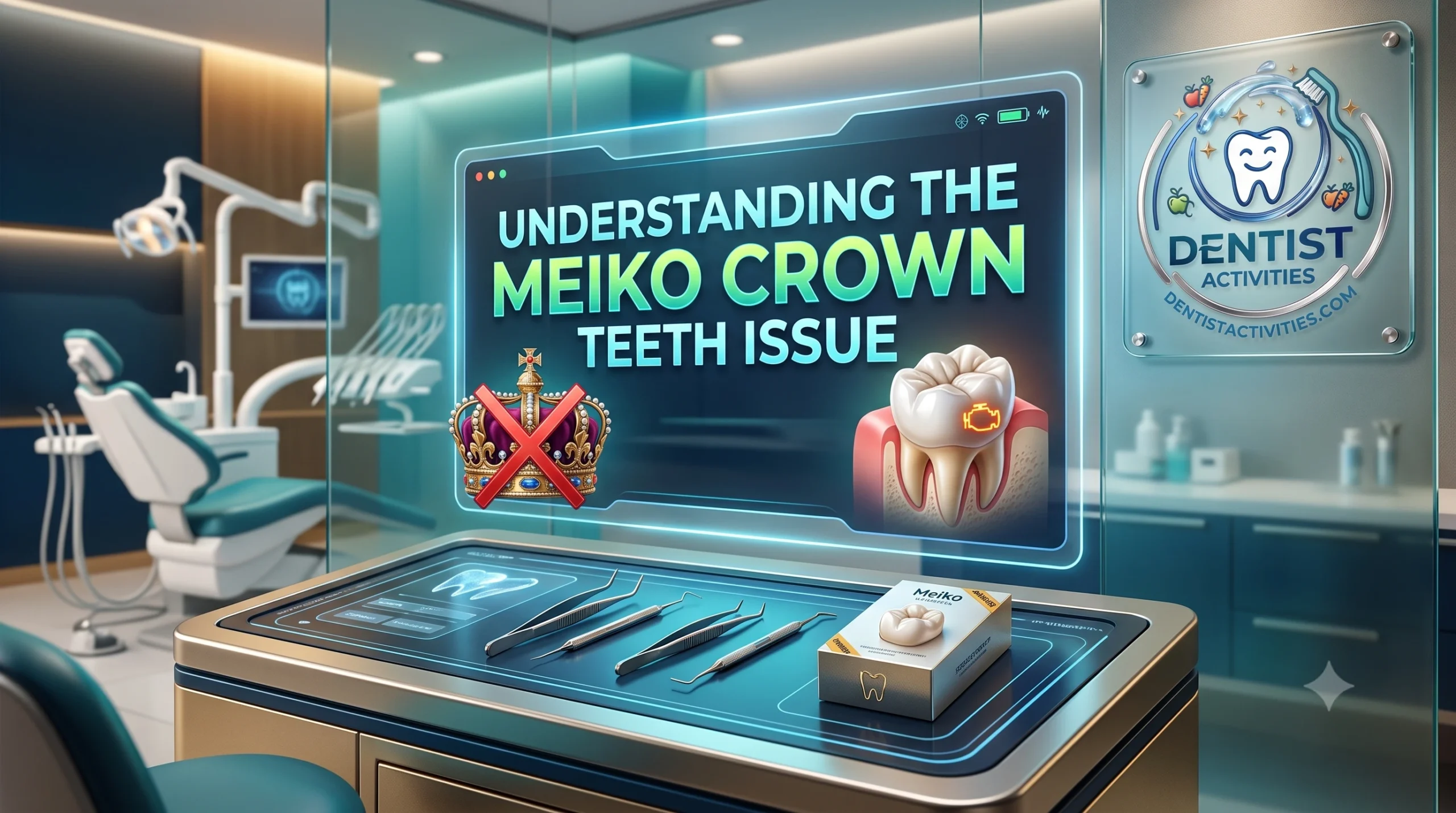
Dental crowns are designed to protect, reinforce, and restore damaged teeth, giving you a full, healthy smile that functions naturally. However, even the most expertly fitted dental restoration can sometimes encounter complications over time. Whether you are dealing with unexplained bite pressure, persistent sensitivity, gum irritation, or structural loosening, a meiko crown teeth issue can turn everyday activities like eating, speaking, and smiling into uncomfortable tasks.
Understanding why dental crowns fail or cause pain is the first step toward finding relief. While crowns are crafted from highly durable materials—ranging from porcelain-fused-to-metal and zirconia to traditional ceramic—the underlying natural tooth structure and surrounding gum tissue remain dynamic and vulnerable to change.
In this comprehensive guide, we will break down everything you need to know about a meiko crown teeth issue. You will learn how to identify warning signs early, explore the common root causes behind crown problems, discover modern dental treatment options, and master preventative habits that protect your dental investment for years to come.
What is a Meiko Crown Teeth Issue?
A meiko crown teeth issue refers to any structural, biological, or alignment problem that affects a tooth fitted with a restoration or dental crown. A dental crown acts as a protective cap that fully encases a weakened, cracked, or root-canal-treated tooth down to the gumline. When the harmony between the crown, the underlying natural tooth, and the surrounding soft tissue is disrupted, a range of symptoms can arise.
While dental restorations are built to endure substantial masticatory pressure, they are not entirely immune to wear and tear. Issues can stem from mechanical stress, bacterial infiltration around the crown margins, improper initial fitting, or trauma. Identifying the exact nature of the problem allows your dental team to implement targeted solutions before permanent damage occurs.
Common Symptoms of a Meiko Crown Teeth Issue
Catching a dental crown problem in its early stages can mean the difference between a simple adjustment and a full crown replacement or tooth extraction. Below are the key warning signs associated with a meiko crown teeth issue that warrant prompt clinical evaluation.
| Symptom Category | Associated Indicators | Common Underlying Cause |
| Pain & Discomfort | Throbbing pain, sharp pain when chewing, pressure sensitivity | High bite alignment, nerve inflammation, or deep decay |
| Temperature Sensitivity | Lingering pain with hot or cold beverages | Exposed dentin near margins, micro-leaks, or nerve irritation |
| Visual Changes | Dark line at gumline, visible chips, gum swelling, exposed margin | Gum recession, porcelain fracturing, or metal framework exposure |
| Sensory / Tactical | Loose feel, click when biting, sharp edge felt by tongue | Dental cement breakdown, poor margin seal, or structural fracture |
| Taste & Odor | Unpleasant taste, foul breath around the specific tooth | Food impaction, bacterial buildup under the crown margin |
1. Persistent Pain or Pressure When Biting
If you experience sharp pain or dull aches every time your teeth come together, your crown may be elevated higher than your natural bite profile. This places excessive force on the periodontal ligament below the tooth, resulting in localized inflammation and discomfort.
2. Temperature and Sweet Sensitivity
While artificial crown materials cannot feel temperature, the living natural tooth structure beneath certainly can. Lingering sensitivity to ice water, hot coffee, or sugary foods suggests that the protective seal around the base of the crown has broken, allowing external stimuli to reach the internal dentin or nerve.
3. Gum Swelling and Tenderness
Gums around a crown should look pink, firm, and healthy. Redness, swelling, bleeding during brushing, or localized soreness around the base indicates gum inflammation (gingivitis), bacterial trapped beneath the margin, or tissue irritation caused by an ill-fitting edge.
Primary Causes Behind a Meiko Crown Teeth Issue
Pinpointing why a meiko crown teeth issue develops requires evaluating both biological and mechanical factors. Here are the primary culprits behind crown failure or irritation:
Recurrent Recess and Marginal Leakage
Even though the crown cap is synthetic, the underlying tooth stub remains vulnerable to decay. Over time, microscopic gaps can form where the bottom edge of the crown meets the tooth (the margin). Oral bacteria enter through these tiny openings, leading to secondary tooth decay underneath the crown structure.
Improper Fit or Bite Misalignment
Precision is vital during the crown creation process. If a crown is even a fraction of a millimeter too thick, too tall, or misaligned with adjacent teeth, it creates an abnormal bite (occlusal disharmony). This creates unnatural friction, jaw pain, TMJ strain, and pressure-induced nerve sensitivity.
Wear and Breakdown of Dental Cement
Dental crowns are secured using high-strength adhesive cements. Over years of heavy chewing, exposure to acidic foods, or grinding, this cement layer can slowly wash out or degrade. As a result, the crown loses its anchorage, leading to a loose fit or total dislodgement.
Structural Fatigue, Chipping, and Fractures
Porcelain and ceramic restorations offer exceptional cosmetic appeal, but they can chip or crack when subjected to extreme force. Biting on hard objects (like ice, hard candies, or bone), facial trauma, or chronic nighttime teeth grinding (bruxism) can break the porcelain casing.
Clinical Insight: A dark line appearing near the gumline of a crown is not always decay. In porcelain-fused-to-metal (PFM) crowns, receding gums often expose the dark metallic sub-structure beneath. While cosmetically noticeable, your dentist can verify whether it is structural metal exposure or an active leak.
How Dentists Diagnose a Meiko Crown Teeth Issue
Resolving a meiko crown teeth issue begins with an accurate diagnostic evaluation in the dental office. Modern dentistry employs several techniques to analyze what is happening above and below the gumline:
- Visual and Tactile Examination: The dentist uses fine dental explorers to inspect the margins of the crown, checking for rough edges, washouts, open seams, or soft spots that signify decay.
- Digital Radiographs (X-Rays): Standard dental X-rays provide a clear view of the interior tooth structure, root tip, and surrounding bone density. They allow clinicians to spot hidden cavities beneath the crown edge or bone loss surrounding the root.
- Occlusal Articulating Paper: To test for bite misalignments, you will bite down on thin carbon paper. High spots mark brightly on the surface of the crown, showing the dentist exactly where to smooth down the excess material.
- Periodontal Probing: Checking the pocket depth around the crown helps evaluate gum health and rule out localized periodontal pockets or root fractures.
- Transillumination and Digital Scanning: High-intensity light source devices and 3D intraoral scanners help visualize microscopic cracks or fractures in ceramic crowns that traditional X-rays might miss.
Effective Dental Treatments for a Meiko Crown Teeth Issue
The ideal treatment for a meiko crown teeth issue depends on whether the problem lies within the crown material itself, the cement layer, the underlying natural tooth, or the surrounding gums.
Bite Adjustment and Polishing
If your crown feels too tall or causes sharp pressure when chewing, the fix is straightforward. Your dentist uses a fine diamond bur to reshape the biting surface, removing microscopic high points. The surface is then polished smooth, restoring a balanced, comfortable bite instantly.
Crown Re-cementation
When a crown becomes loose but remains completely intact without underlying decay, your dentist can carefully remove it, clean out the old degraded adhesive, disinfect the tooth stub, and re-bond the crown using fresh permanent dental cement.
Treatment of Decay Under the Crown
If secondary decay has developed beneath the margins, the crown must typically be removed to access and treat the cavity.
- Minor Decay: The dentist removes the decayed portion, places a protective composite resin core build-up, and fabricates a new crown.
- Severe Decay Involving the Nerve: If the decay reaches the internal nerve pulp, a root canal procedure is performed to clean the infected canals before a new protective crown is fitted.
Crown Repair vs. Full Replacement
- Minor Cosmetic Chips: Smooth edges can often be polished or bonded using composite resin without removing the entire restoration.
- Major Fractures or Structural Compromise: Deep cracks weaken the entire cap, requiring a full removal and replacement to properly protect the tooth underneath.
Preventative Strategies to Avoid a Meiko Crown Teeth Issue
While dental crowns are designed to last anywhere from 10 to 15 years (or longer with optimal care), proactive preventative habits are essential to maximize their lifespan.
Wear a Custom Nightguard
Nighttime teeth grinding (bruxism) exerts hundreds of pounds of pressure per square inch on teeth and restorations. A custom-fitted nightguard creates a protective cushion, safeguarding ceramic crowns from cracking or dislodging while you sleep.
Practice Proper Flossing Techniques
Flossing around a crowned tooth requires careful technique. Instead of pulling the floss forcefully upward through the contact point—which can catch on a crown margin and pull it loose—slide the floss gently between the teeth and pull it out sideways through the base.
Eliminate Bad Chewing Habits
Never use your teeth (especially crowned ones) to cut tape, open bottles, or bite fingernails. Avoid chewing on ice cubes, hard nuts, hard candy, or pens, as concentrated impact forces can easily fracture porcelain restorations.
Choosing the Right Materials to Prevent Future Crown Complications
Selecting the right crown material during the treatment planning phase plays a key role in avoiding future meiko crown teeth issue occurrences. Different materials suit different locations in the mouth:
| Material Type | Pros | Cons | Ideal Placement |
| All-Porcelain / Ceramic | Superior natural aesthetics, metal-free, translucent finish | Slightly more brittle, risk of chipping under heavy bite force | Front teeth (incisors and canines) |
| Zirconia (Zirconium Oxide) | Exceptional strength, crack resistance, natural tooth color | Less translucent than pure porcelain | Molars, premolars, heavy biters |
| Porcelain-Fused-to-Metal (PFM) | Time-tested durability, solid inner core structure | Dark metal margin may show if gums recede over time | Back molars, dental bridges |
| Gold Alloy / Metal | Indestructible, minimal wear on opposing teeth | Metallic appearance, high material cost | Non-visible back molars |
Consulting with your dentist about your bite habits, aesthetic expectations, and budget will help determine the optimal material for your specific restoration.
Daily Oral Care and Maintenance for Crowned Teeth
Maintaining teeth with crowns does not require complicated equipment, but it does demand consistent daily effort. A sound routine protects both the artificial crown and the natural tooth foundation beneath.
- Brush Twice Daily with Fluoride Toothpaste: Clean around the gumline of your crown thoroughly using a soft-bristled toothbrush to prevent plaque buildup at the margins.
- Incorporate Interdental Cleaning Tools: Water flossers, interdental brushes, and waxed dental floss help keep tight contacts between crowned teeth clean and free of trapped debris.
- Rinse with Non-Alcoholic Fluoride Mouthwash: Fluoride strengthens remaining enamel around crown margins, while non-alcoholic antibacterial rinses eliminate gum-irritating bacteria.
- Attend Bi-Annual Dental Cleanings: Professional dental hygienists remove calcified tartar buildup around crown borders that home brushing cannot eliminate.
When a Meiko Crown Teeth Issue Requires Emergency Dental Care
While some minor bite discomfort can wait for a standard appointment, certain symptoms demand urgent emergency dental attention:
- Severe, Uncontrolled Pain or Throbbing: Indicates acute pulp inflammation or advanced infection beneath the crown.
- Visible Swelling or Abscess Formation: A pimple-like bump on the gums near a crown signals an active bacterial infection that requires immediate drainage and antibiotics.
- Completely Dislodged or Lost Crown: Leaving a exposed tooth prep unprotected leads to severe sensitivity, tissue growth over the prep, and damage to the natural core structure.
- Sharp, Broken Edges Impacting Soft Tissue: A severely cracked crown with razor-sharp ceramic edges can lacerate the tongue, lips, or cheek tissue.
Conclusion
Addressing a meiko crown teeth issue promptly is essential for preserving your oral health, maintaining bite comfort, and protecting your dental investment. Whether your symptoms stem from a simple high bite alignment, worn-out dental cement, or recurrent decay beneath the margin, modern restorative dentistry offers quick, safe, and effective solutions.
By maintaining strict daily oral hygiene, avoiding hard chewing habits, wearing protective nightguards if you grind your teeth, and scheduling routine bi-annual dental checkups, you can keep your crown functional and beautiful for decades to come. If you are currently experiencing pain, sensitivity, or loosening around your dental restoration, do not hesitate to schedule a professional evaluation with your dentist today!
Frequently Asked Questions (FAQs)
What is the most common meiko crown teeth issue?
The most frequent issue patients experience is bite discomfort or high spots after crown placement, followed by gum sensitivity, cement washout, and secondary decay forming along the margin where the crown meets the tooth stub.
Can a meiko crown teeth issue fix itself over time?
No. Structural problems, high bite forces, broken cement seals, and underlying decay will not resolve on their own. Ignoring symptoms often causes simple issues to escalate into painful infections or total crown failure.
Is it normal for a crown to feel sensitive to hot and cold?
Mild sensitivity for a few days immediately after placing a new crown is normal as the tooth nerve recovers. However, persistent or lingering temperature sensitivity after several weeks suggests margin leakage, nerve exposure, or decay that requires dental attention.
How long does a typical dental crown last?
With proper care, oral hygiene, and regular dental checkups, high-quality dental crowns usually last between 10 to 15 years. Some well-maintained ceramic or gold crowns can even last 20+ years.
What should I do if my crown falls off completely?
Keep the crown safe in a small container. Gently clean the exposed tooth area and do not chew on that side of your mouth. Call your dentist immediately to have the restoration disinfected and professionally re-cemented. Avoid using commercial superglues or adhesives to reattach a crown yourself.