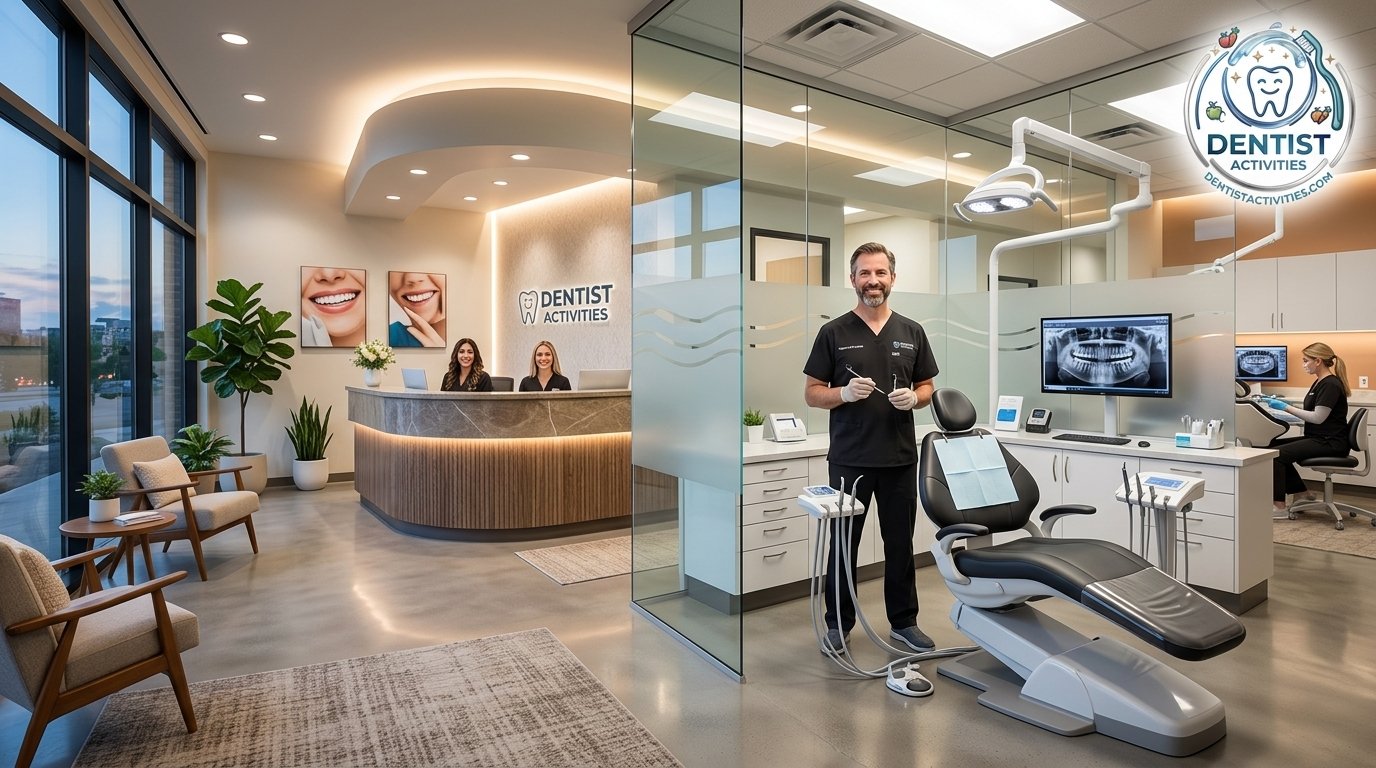
Dental pain is notorious for being among the most acute, debilitating sensations the human body can experience. Unlike a mild headache or a muscle sprain that gradually fades with rest, an untreated oral complication rarely resolves on its own. Whether you are dealing with a sudden cracked molar during dinner, waking up at two in the morning to throbbing facial swelling, or watching a family member lose an adult tooth during a sporting event, knowing how and when to contact an emergency dentist can mean the difference between permanent tooth loss and full oral restoration.
Unfortunately, many people hesitate during the critical early minutes of a dental trauma. A common misconception is that dental pain can always wait until regular office hours on Monday, or conversely, that a general hospital emergency room is equipped to resolve localized dental problems. In reality, medical emergency rooms lack specialized restorative dental equipment and can typically only prescribe antibiotics or short-term analgesics. True relief and tooth preservation require prompt evaluation by a licensed dental professional prepared to handle urgent cases. This comprehensive guide outlines the signs of urgent dental conditions, provides immediate step-by-step triage actions, details what clinical procedures to anticipate, and walks you through prevention and cost management.
What Defines a Dental Crisis: Identifying When You Need Immediate Care
Oral health issues exist on a broad spectrum ranging from cosmetic blemishes to severe, life-threatening complications. Recognizing where your symptoms fall is crucial for taking appropriate action. Routine problems like mild temperature sensitivity, minor food impaction, a chipped veneer without discomfort, or gradual gum bleeding during flossing indicate that you should book an appointment with your general practitioner, but they do not demand urgent same-day intervention.
In contrast, an urgent situation involves uncontrolled hemorrhaging, intense and unrelenting nerve pain, signs of spreading infection, or physical displacement of teeth and supportive bone. When an infection invades deeper facial spaces, it can rapidly progress into facial cellulitis or Ludwig’s angina, which can obstruct airways or spread to the bloodstream. An emergency dentist is trained to evaluate these life-altering scenarios quickly, using clinical diagnostic tools to triage your condition, neutralize pain sources, and establish immediate stability. If you cannot swallow, experience difficulty breathing, or notice swelling spreading rapidly toward your eye or neck, seek immediate medical care or visit the nearest hospital emergency room, followed immediately by targeted dental care.
Common Dental Crises and Immediate At-Home Action Steps
When an oral injury happens, the minutes immediately following the incident dictate your long-term prognosis. Knowing how to react calmly and systematically protects your teeth before you arrive at the clinic.
1. Avulsed (Completely Knocked-Out) Permanent Tooth
A completely dislodged adult tooth is one of the truest time-sensitive dental emergencies. Cellular viability on the root surface degrades quickly once the periodontal ligament cells dry out. The window for successful reimplantation is generally within thirty to sixty minutes.
- Handle with care: Pick up the tooth only by the crown (the white chewing surface). Never touch, scrape, or scrub the root surface.
- Rinse gently: If visibly dirty, rinse the tooth for no more than ten seconds in cold running water or milk. Do not use chemical cleaners, soap, or hot water.
- Reinsert if possible: If the patient is alert and cooperative, gently place the tooth back into its empty socket facing the correct direction and have them bite down softly on a clean cloth.
- Use proper storage media: If reinsertion is impossible, place the tooth in a container of cold cow’s milk or a specialized Hank’s Balanced Salt Solution. If neither is available, preserve it inside the patient’s cheek pouch against their saliva, provided there is no risk of swallowing or choking. Never store an avulsed tooth in plain tap water, as the hypotonic environment causes rapid cell lysis.
2. Severe Pulpitis and Deep Toothaches
A pulsating, continuous toothache often indicates that bacterial decay has reached the pulp chamber where blood vessels and nerve endings live. Rinse your mouth with warm saline solution to remove debris, and gently floss around the affected tooth to ensure trapped food particles are not worsening the pressure. Never place an aspirin or painkiller directly against the gum tissue; doing so produces severe chemical burns without relieving pulpal pressure. Take systemic over-the-counter pain relief as directed and consult an emergency dentist promptly.
3. Luxated, Displaced, or Loose Teeth
Blunt force impacts may not fully eject a tooth but can shove it inward, outward, or sideways into the alveolar bone. Do not attempt to force the tooth back into place using excessive mechanical pressure. Keep your jaw still, refrain from chewing, apply a cold compress to the external cheek to manage swelling, and see a dentist immediately for splinting and repositioning.
4. Broken, Fractured, or Chipped Crowns
A fractured tooth can range from a painless enamel flake to an extensive shear fracture exposing the inner yellow dentin or pink nerve pulp. If the nerve is exposed, contact with air or saliva will trigger intense, sharp shocks. Retrieve any broken fragments, place them in clean saline or milk, apply a cold pack to the cheek, and cover any sharp remaining edges with temporary dental wax or sugar-free gum to shield your soft tissues until your visit.
Dental Abscesses and Spreading Infections: A Silent, Dangerous Threat
A dental abscess is an accumulation of pus caused by bacterial invasion at the apex of a root or within the periodontal pockets. Left unchecked, what begins as an isolated toothache can evolve into an aggressive systemic health issue. Abscesses rarely stay static; bacteria actively dissolve surrounding bone tissue and travel through connective tissue planes.
Key indicators of an acute abscess include a foul taste in the mouth, sudden release of bitter fluid if the abscess ruptures, localized swelling resembling a pimple on the gums (fistula), elevated body temperature, and swollen lymph nodes under the jawline. A common misconception is that if the throbbing suddenly stops, the problem has cured itself. In reality, the cessation of pain often means the nerve tissue inside the pulp has died, while bacteria continue multiplying and destroying underlying bone. An emergency dentist must drain the purulent material, thoroughly decontaminate the root structure, and initiate antimicrobial therapies to safeguard your systemic health.
Walk-In vs. Appointment: How Emergency Dental Practices Operate
Seeking care during an acute flare-up differs significantly from attending a semi-annual checkup. Understanding how urgent care workflows operate helps set clear expectations and alleviates anxiety.
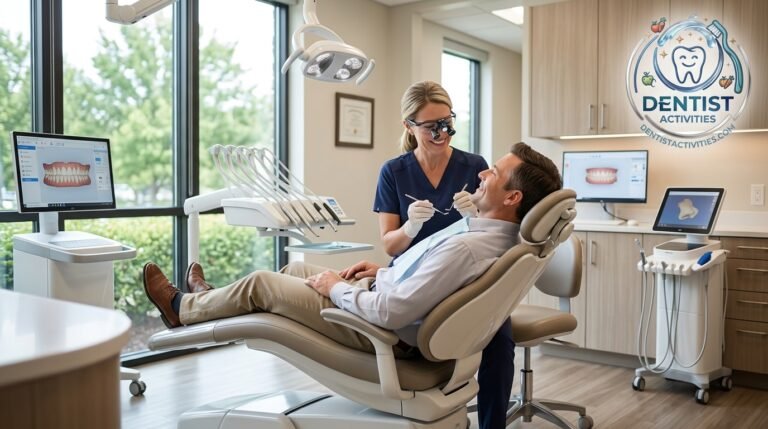
Most dedicated practices reserve specific daily buffer slots within their appointment schedules or maintain on-call operational staffing specifically to accommodate unscheduled patients. When you arrive, the primary clinical objective is twofold: diagnostic triage and acute stabilization. The staff will quickly record your vital signs, collect a medical history to assess underlying health conditions, drug allergies, or blood-thinner use, and take localized digital radiographs or 3D cone-beam scans.
Initial visits prioritize halting severe pain, managing bleeding, and preventing infection spread over final cosmetic restoration. For example, if a patient presents with extensive pulpal decay, the provider may perform an emergency pulpotomy or pulpectomy—removing inflamed nerve tissue and applying sedative medications—before placing a resilient temporary filling. Once comfort is restored, a follow-up appointment is scheduled for definitive root canal completion and permanent crown placement.
Diagnostic Tools and Advanced Technologies in Modern Urgent Care
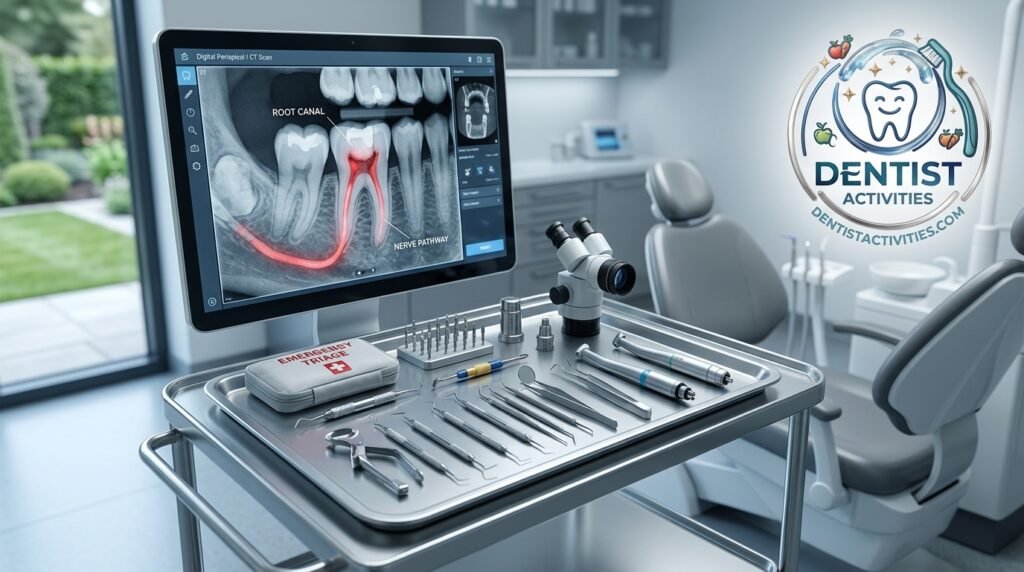
Modern practices leverage advanced technologies to diagnose and treat emergencies rapidly and comfortably. Digital radiography reduces radiation exposure while generating high-definition images within seconds, allowing dentists to detect subtle bone line fractures, root tip lesions, and impacted teeth that remain invisible to the naked eye.
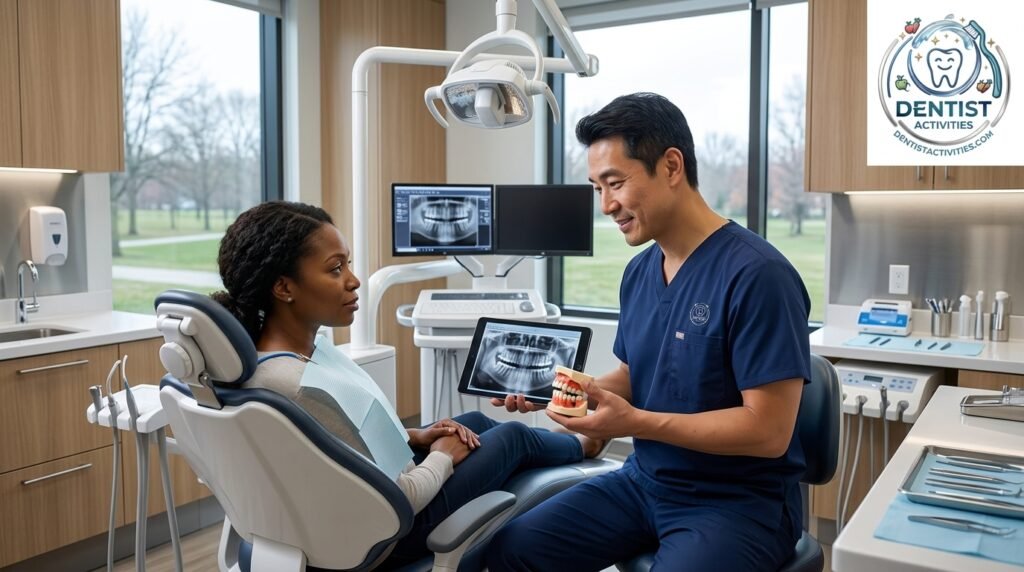
Intraoral cameras enable real-time visualization of microscopic enamel fracture lines, gum detachment, and secondary recurrent decay, allowing the practitioner to walk you through your treatment plan visually. Rotary endodontic systems made from flexible nickel-titanium alloys permit rapid, thorough cleaning of curved root canals with minimal discomfort. Many clinics also utilize computer-aided design and manufacturing (CAD/CAM) units, allowing them to mill and cement permanent porcelain crowns in a single visit, eliminating the need for temporary restorations when repairing fractured structural cusps.
Common Urgent Procedures Performed by an Emergency Dentist
The treatments administered during an urgent visit vary according to clinical presentation, tissue viability, and long-term restorative feasibility:
| Emergency Condition | Primary Urgent Procedure | Goal of Immediate Treatment |
|---|---|---|
| Pulp Exposure / Severe Toothache | Pulpectomy or Emergency Endodontics | Extirpate inflamed nerve, alleviate pressure, seal chamber |
| Avulsed or Subluxated Tooth | Splinting & Flexible Stabilization | Anchor loose tooth to adjacent stable teeth using wire/composite |
| Deep Soft Tissue Laceration | Surgical Hemostasis & Suturing | Stop active bleeding, reapproximate gingival tissues |
| Acute Fluctuant Abscess | Incision and Drainage (I&D) | Evacuate pus, decontaminate tissue, relieve hydrostatic pressure |
| Severe Vertical Root Fracture | Atraumatic Surgical Extraction | Eliminate non-restorable structure and prevent bone loss |
| Dislodged Permanent Crown | Sedative Recementation / Temp Crown | Protect exposed dentin tubules and preserve bite spacing |
Understanding Costs, Insurance Coverage, and Payment Options
A frequent deterrent keeping people from seeking timely urgent care is financial uncertainty. Understanding dental billing structures can alleviate stress during a crisis.
Emergency appointments typically carry an initial evaluation fee encompassing diagnostic tests, focused visual examination, and periapical radiographs. Additional costs depend on the procedures required to stabilize your condition, such as extractions, splinting, palliative pulpal treatments, or protective restorations.
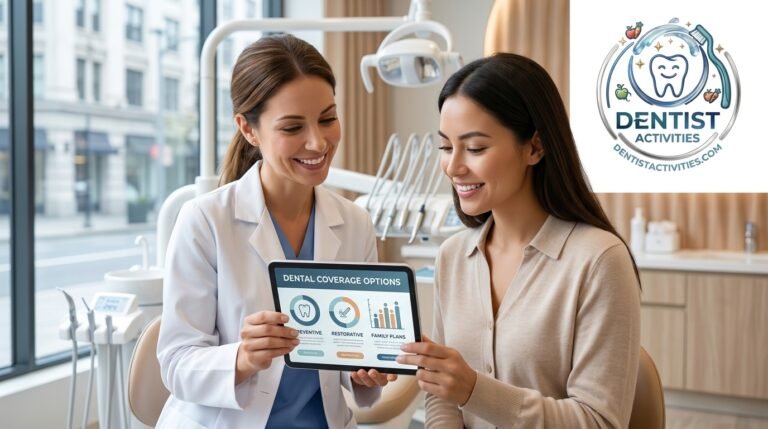
Most major dental insurance policies cover emergency evaluations and diagnostic imaging at high reimbursement percentages, categorizing them under preventive or basic diagnostic coverage. Stabilizing treatments like extractions or palliative interventions usually receive coverage under basic restorative tiers, typically ranging from 50% to 80% of allowable expenses after deductibles. For uninsured patients, most reputable providers offer transparent fee schedules, in-house discount membership plans, or flexible healthcare financing options such as CareCredit. Addressing a problem immediately with an emergency dentist is consistently far less expensive than waiting until a localized issue expands into a complex, multi-stage hospitalization or reconstructive surgery.
Essential Home Remedies While Awaiting Your Appointment
While home treatments cannot cure an active infection or reattach damaged ligaments, proper palliative self-care can make symptoms manageable while you travel to the clinic:
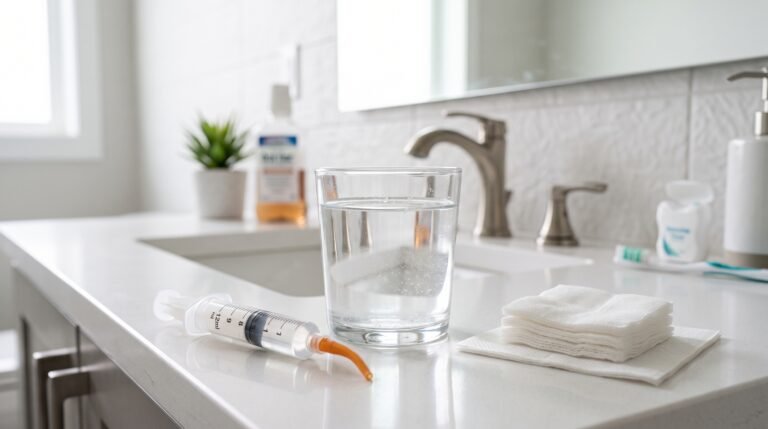
- Warm Saline Rinses: Dissolve half a teaspoon of table salt in eight ounces of warm water. Gently swirl this solution around your mouth for thirty seconds before spitting it out. Saline acts as a natural osmotic agent, drawing out excess fluid, reducing localized tissue edema, and gently cleansing debris without irritating open tissues.
- Cold Compresses: Apply an ice pack wrapped in a soft towel to the outside of your jaw in twenty-minute alternating intervals (twenty minutes on, twenty minutes off). Cold temperatures cause local vasoconstriction, reducing inflammation, swelling, and superficial pain conduction.
- Safe Analgesic Use: Over-the-counter anti-inflammatory drugs like ibuprofen are effective for dental pain because they suppress the prostaglandins driving pulpal inflammation. In severe cases where health history permits, rotating acetaminophen and ibuprofen under clinical advice provides reliable relief. Remember: never apply crushed medication directly onto gingival tissues.
- Elevate Your Head: When lying down, blood pressure in the head and neck increases, exacerbating throbbing pulpal discomfort. Keep your head elevated with two or three pillows to reduce vascular pressure within the jaw.
Proactive Strategies to Prevent Dental Emergencies
While unexpected accidents happen, a significant majority of acute dental crises stem from progressive, unnoticed issues or preventable physical trauma:
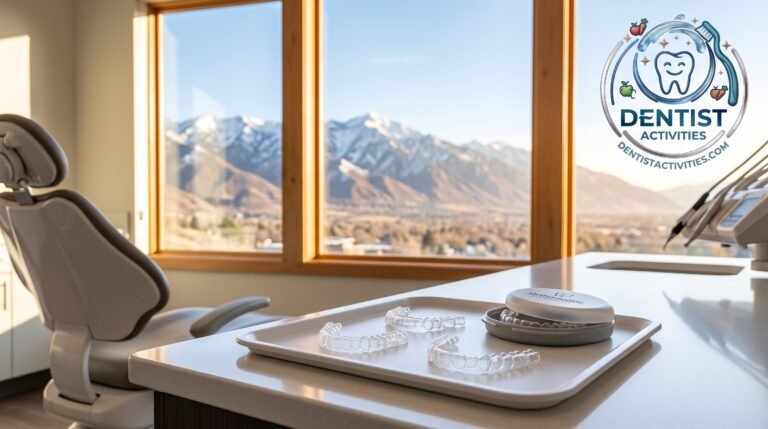
Wearing a custom-fabricated athletic mouthguard during contact sports significantly reduces the incidence of root fractures, avulsions, and soft-tissue lacerations compared to over-the-counter stock guards. Addressing bruxism (nighttime teeth grinding) with a tailored occlusal nightguard shields tooth enamel from structural microfractures that eventually split whole cusps. Furthermore, treating minor cavities promptly prevents bacteria from reaching pulpal nerves, neutralizing painful emergencies before they start.
Frequently Asked Questions
How quickly do I need to see a dentist for a knocked-out tooth?
Time is critical. The highest rates of successful reimplantation occur within thirty to sixty minutes. After two hours outside of the socket, the periodontal ligament cells on the root surface desiccate and die, significantly lowering the likelihood of saving the natural tooth.
What should I do if my dental emergency occurs in the middle of the night or on a holiday?
Search for local practices that offer designated 24-hour telephone triage, on-call doctors, or weekend emergency appointments. Many community dentists provide emergency instructions on their clinic voicemails. If you experience severe swelling extending into your throat or eye, uncontrollable hemorrhage, or difficulty breathing, go straight to the nearest hospital emergency room.
Can an emergency room at a general hospital pull my tooth?
In most jurisdictions, emergency department physicians are not licensed or equipped to perform surgical dental extractions or place restorations. They can evaluate vital signs, administer intramuscular pain relief, prescribe systemic antibiotics, and manage acute airway emergencies, but they will refer you to an emergency dentist for specialized dental treatment.
Is extreme sensitivity to cold or hot foods considered an emergency?
Mild sensitivity lasting only a few seconds after drinking cold water usually points toward enamel thinning, receding gums, or early surface decay, which can be evaluated during normal appointment hours. However, if extreme sensitivity lingers for minutes after the thermal stimulus is removed, or if it triggers spontaneous, unprovoked throbbing pain, it signifies irreversible pulpitis and warrants urgent care.
Can a cracked tooth heal on its own without treatment?
No. Unlike biological bone tissue, dental enamel and dentin do not contain regenerative cells capable of remineralizing a physical fracture back together. Leaving a cracked tooth untreated allows biting forces to wedge the crack wider, allowing oral bacteria to infiltrate the vulnerable dental pulp and often resulting in an unsalvageable vertical root split.
Conclusion: Act Swiftly to Preserve Your Smile
When an unexpected oral injury strikes, fast action and clear judgment are your greatest assets. Ignoring an escalating toothache or delaying treatment for a cracked crown invites deep bacterial infections, complex restorative challenges, and unnecessary pain. By taking the right immediate first-aid steps—preserving dislodged teeth in proper storage media, managing swelling safely with cold therapy, and keeping your head elevated—you safeguard your oral health while seeking professional attention. Keep the contact details of a reputable emergency dentist accessible, heed warning signs early, and seek experienced clinical care whenever an oral health emergency arises.