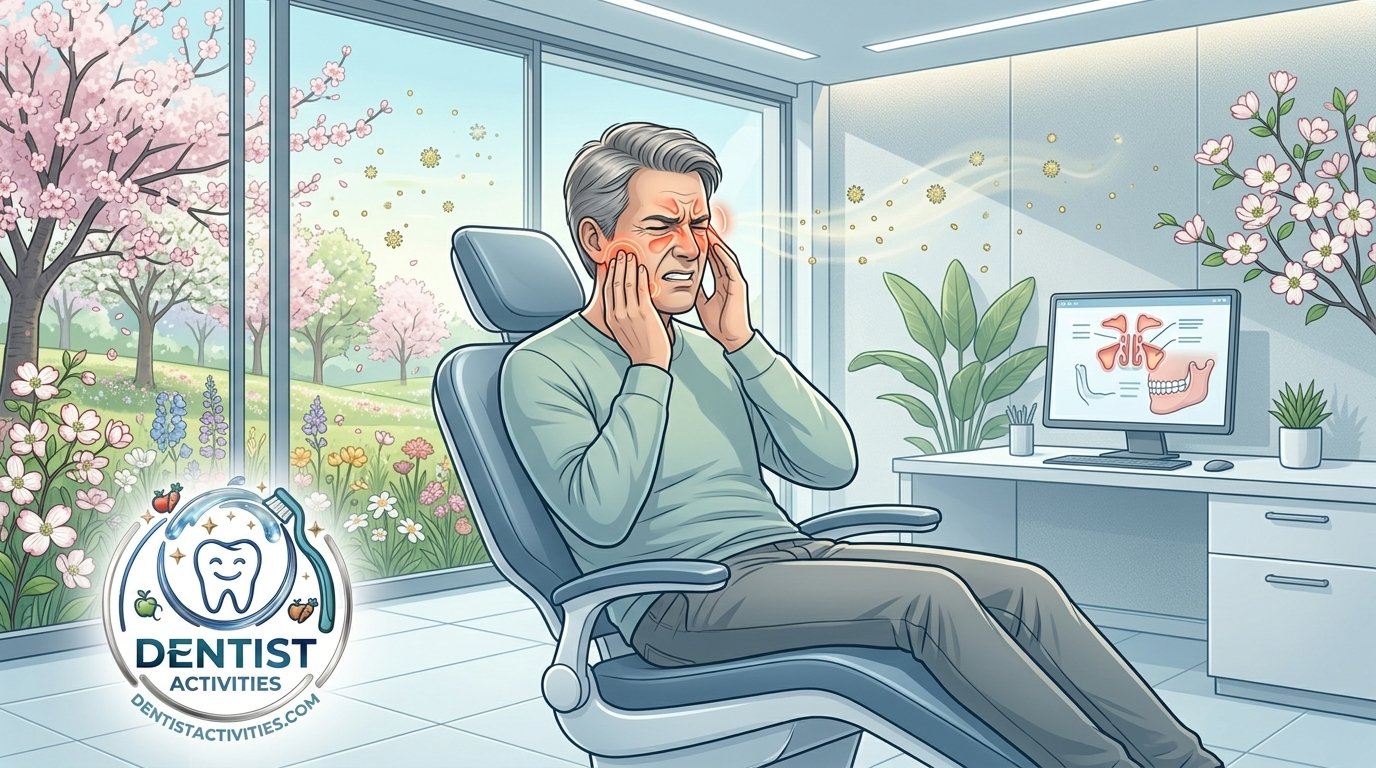
When allergy season arrives, most people expect the usual symptoms: sneezing, watery eyes, a scratchy throat, and nasal congestion. However, many individuals are surprised when an unexpected ache develops along their jawline, cheeks, or upper molars. Experiencing jaw pain with allergies is surprisingly common, yet frequently misunderstood.
When airborne allergens like pollen, dust mites, pet dander, or mold enter your nasal passages, your immune system launches an inflammatory response. This reaction leads to swollen tissues and fluid accumulation in the sinus cavities located directly behind your cheeks and above your upper teeth. The resulting pressure radiates downward into the jaw, facial muscles, and temporomandibular joint (TMJ).
Understanding the relationship between respiratory allergic responses and facial discomfort helps distinguish whether your pain stems from seasonal congestion, dental decay, or a primary TMJ disorder.
The Anatomy: How Sinus Congestion Triggers Jaw and Facial Pressure
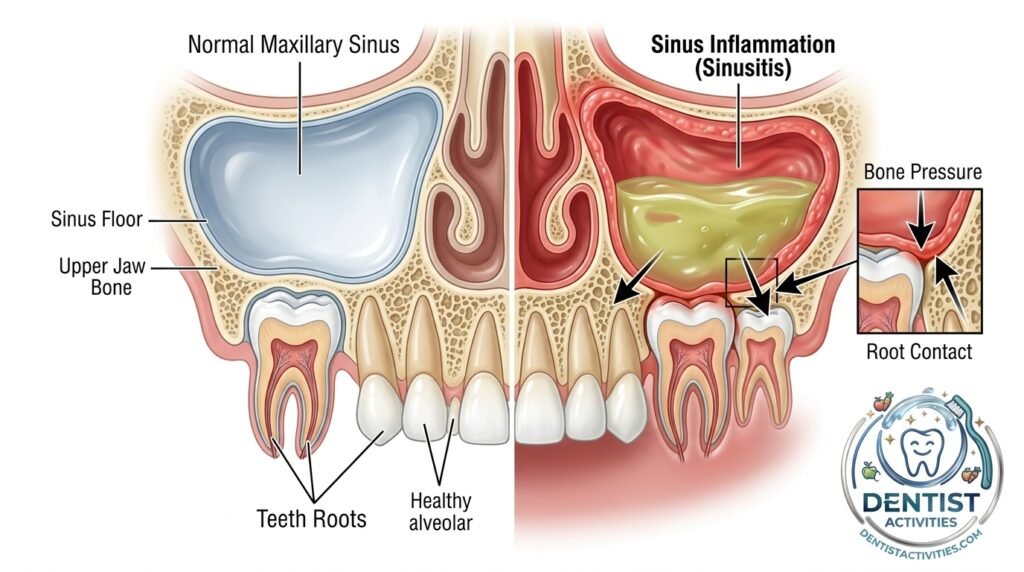
The human skull houses four major pairs of paranasal sinuses: frontal, ethmoid, sphenoid, and maxillary. The maxillary sinuses, located directly behind the cheekbones and just above the upper jawbone (maxilla), play a central role in allergy-induced facial pain.
Close Proximity to Dental Roots
The floor of the maxillary sinus sits directly above the roots of the upper molars and premolars. In many individuals, only a paper-thin layer of bone—and sometimes just mucous membrane—separates the sinus cavity from the nerve roots of these teeth.
When allergens trigger inflammation, mucus builds up within the maxillary sinus, creating localized pressure. This mechanical pressure presses directly onto the sensitive dental nerve endings, generating a persistent dull ache that mimics a toothache or jaw joint issue.
The Nerve Connection: Trigeminal Nerve Pathway
The trigeminal nerve (cranial nerve V) provides sensory innervation to your face, sinuses, teeth, and jaw. When sinus tissues swell, signals transmit along the maxillary and mandibular branches of the trigeminal nerve. The brain often perceives this diffuse swelling as generalized jaw pain with allergies, making it difficult to pinpoint the exact source of discomfort.
Why Allergies Trigger TMJ Flare-Ups and Muscle Clenching
While direct sinus pressure is a primary factor, seasonal allergies also cause physical behaviors that irritate the temporomandibular joint and its surrounding masticatory muscles.
Mouth Breathing and Altered Resting Posture
Nasal blockage forces you to breathe through your mouth, particularly during sleep. Chronic mouth breathing alters the natural resting posture of your mandible (lower jaw), pulling the jaw backward and keeping the masticatory muscles under constant tension. Over several days, this muscular strain leads to fatigue, soreness, and stiffness in the jaw joint.
Nighttime Teeth Grinding (Bruxism)
Airway resistance caused by swollen nasal passages frequently disrupts normal sleep architecture. In response to restricted airflow, the body subconsciously clenches or grinds the teeth (bruxism) to reopen the upper airway. This repetitive nocturnal clenching places tremendous stress on the TMJ, resulting in waking up with sharp or aching jaw soreness.
Frequent Coughing and Sneezing
Violent sneezing fits and persistent coughing cause rapid, forceful contractions of the neck, jaw, and facial muscles. Over time, these sudden movements aggravate an already tender temporomandibular joint.
Recognizing the Key Symptoms of Allergy-Induced Jaw Aches
Because facial and dental anatomy is closely interconnected, recognizing specific symptom patterns helps identify whether your discomfort is linked to allergic reactions.
- Bilateral Upper Jaw Dullness: Pain often affects both sides of the upper jaw and cheek area rather than a single isolated tooth.
- Worsening Pain When Bending Forward: Lowering your head below your waist increases hydrostatic pressure within inflamed sinuses, noticeably intensifying the throbbing in the jaw and teeth.
- Cheek and Forehead Tenderness: Gentle tapping over the cheekbones or between the eyebrows reproduces the dull ache felt in the upper jaw.
- Ear Fullness or Popping: The Eustachian tubes frequently become congested during allergy episodes, creating ear pressure alongside jaw stiffness.
- Morning Jaw Tightness: Waking with jaw fatigue due to nocturnal mouth breathing and allergy-triggered clenching.
Sinus-Related Jaw Pain vs. Dental Infections and Primary TMJ Disorders
Differentiating sinus pressure from true dental pathology or structural TMJ dysfunction is critical for choosing the right treatment approach.
| Characteristic | Sinus/Allergy-Induced Jaw Pain | Dental Problem (Cavity/Abscess) | Primary TMJ Disorder (TMD) |
|---|---|---|---|
| Location | Upper jaw, cheeks, bilateral molars | Isolated to one specific tooth | Jaw joint, temple, ear, lower jaw |
| Pain Type | Dull, heavy, throbbing pressure | Sharp, throbbing, or temperature-sensitive | Clicking, popping, locking, muscle fatigue |
| Head Movement Impact | Increases when bending over | No change when bending over | Increases during chewing or wide opening |
| Accompanying Signs | Sneezing, clear nasal discharge, itchy eyes | Swollen gums, localized sensitivity, fever | Jaw deviation, limited range of motion |
Proven At-Home Remedies and Self-Care for Quick Relief

When dealing with jaw pain with allergies, combining sinus-clearing techniques with gentle jaw relaxation methods provides comprehensive symptom relief.
1. Warm and Cold Compresses
Apply a warm, moist towel across your cheeks, nose, and jaw for 10–15 minutes to encourage sinus drainage and relax tight facial muscles. If sharp joint inflammation is present around the TMJ, alternate with a cold compress wrapped in a cloth for 5 minutes.
2. Saline Nasal Irrigation
Using a sterile saline nasal spray or a Neti pot flushes trapped allergens, reduces mucosal swelling, and clears accumulated mucus from the maxillary sinuses, immediately reducing physical pressure on the upper teeth and jaw.
3. Steam Inhalation and Hydration
Inhaling steam from a hot shower or a bowl of hot water infused with a drop of eucalyptus helps thin thick mucus secretions. Staying well-hydrated keeps mucous membranes moist and prevents drainage blockages.
4. Gentle Jaw Relaxation Exercises
- Resting Position: Keep your lips together, teeth slightly apart, and tongue resting gently against the roof of your mouth just behind your front teeth.
- Controlled Opening: Place your thumb under your chin and gently open your mouth against light resistance, holding for 3 seconds before slowly closing.
Medical and Pharmacological Treatment Options
When at-home measures are insufficient, targeted over-the-counter and prescription options can address the underlying allergic inflammation.
Second-Generation Antihistamines
Non-drowsy oral antihistamines (such as cetirizine, fexofenadine, or loratadine) block histamine release, halting the inflammatory cascade that causes sinus swelling and secondary facial aching.
Intranasal Corticosteroid Sprays
Fluticasone or triamcinolone nasal sprays deliver localized anti-inflammatory action directly to swollen nasal and sinus passages. Consistent daily use during peak allergy periods prevents chronic maxillary pressure.
Oral Decongestants and Pain Relievers
Short-term use of oral decongestants (like pseudoephedrine) constricts dilated nasal blood vessels, promoting rapid drainage. Over-the-counter pain relievers (ibuprofen or acetaminophen) help alleviate both muscle soreness and joint tenderness.
Preventing Seasonal Flare-Ups and Protecting Your Oral Health
Proactive allergy management reduces the likelihood of recurring facial tension and dental discomfort during peak pollen seasons.
- Monitor Daily Pollen Counts: Limit outdoor activities during early morning hours when pollen counts are highest.
- Use HEPA Air Filtration: Keep windows closed and run high-efficiency particulate air (HEPA) purifiers in bedrooms to reduce nighttime allergen exposure.
- Nightguards for Clenching: If allergy-related mouth breathing triggers nighttime grinding, consult your dentist about a custom-fitted occlusal guard to protect teeth and relieve joint stress.
- Rinse After Outdoor Exposure: Wash your face and rinse your nasal passages after spending extended time outside to remove residual pollen.
When to Consult a Dentist or Doctor
While mild jaw tension during allergy season is often manageable at home, certain symptoms warrant professional evaluation:
- Pain isolated to a single tooth that persists after allergy symptoms resolve
- Severe swelling in the jaw, gums, or face
- Inability to open or close the jaw completely (jaw locking)
- Persistent fever, discolored nasal discharge, or severe headache indicating a secondary bacterial sinus infection
- Pain lasting longer than 10–14 days despite standard allergy medication
Conclusion
Experiencing jaw pain with allergies is an uncomfortable consequence of the anatomical proximity between your maxillary sinuses, dental nerve roots, and jaw muscles. When seasonal allergens cause sinus lining inflammation, the resulting pressure, combined with mouth breathing and nighttime clenching, leads to noticeable facial and jaw soreness.
By addressing both sinus congestion and jaw tension through saline rinses, antihistamines, warm compresses, and stress relief techniques, you can effectively manage symptoms. If discomfort persists or is accompanied by localized dental pain, consulting a healthcare professional ensures targeted care and long-term relief.
Frequently Asked Questions (FAQs)
Can allergies cause your jaw to hurt on just one side?
While allergy-related sinus pressure typically affects both maxillary sinuses, anatomical variations (such as a deviated septum or unilateral sinus blockage) can cause one side to feel significantly more congested, leading to one-sided jaw or tooth discomfort.
Why do my upper teeth hurt when my allergies flare up?
The roots of your upper molars and premolars sit directly underneath the floor of the maxillary sinuses. When your sinuses become inflamed and swollen with fluid during an allergy attack, the increased pressure presses directly against these sensitive nerve roots.
How do I know if my jaw pain is TMJ or sinus pressure?
Sinus-related pain is generally a dull ache across the upper cheeks and teeth that intensifies when bending forward. TMJ pain typically centers right in front of the ears, worsens with chewing or wide opening, and may include audible clicking or limited jaw movement.
Will taking an antihistamine relieve my allergy jaw pain?
Yes. If your jaw discomfort is caused by allergy-induced sinus swelling, antihistamines and intranasal steroid sprays reduce tissue inflammation and mucus production, alleviating the downward pressure on your jaw and teeth.





![Risks of DIY Tooth Filing: Share Your Expertise on Why It's a Dangerous Gamble Introduction We live in an age of accessible information and, consequently, an explosion of DIY culture. From home renovations to cosmetic enhancements, people are increasingly taking matters into their own hands, driven by the desire for customization, cost savings, and instant results. This trend has uncomfortably settled into dentistry, with one of the most alarming practices being DIY tooth filing. Using common household tools like nail files, sandpaper, or emery boards to reshape teeth seems like a simple, affordable solution to a slightly uneven smile. However, the apparent simplicity masks severe, often irreversible dangers. This article is a critical intervention. We, as dental health professionals, feel compelled to share your expertise regarding the actual risks of DIY tooth filing. This is not about gatekeeping cosmetic improvements; it is a public health warning. This comprehensive guide will dissect exactly why this practice is so hazardous, detail the long-term consequences, and offer safe, professional alternatives that protect your oral health. [FEATURED IMAGE — PLACE AT THE TOP OF THE ARTICLE] Why Is DIY Tooth Filing Even a Trend? (And Why It Must Stop) The surge in DIY tooth filing isn’t accidental. Social media platforms, particularly those driven by short-form video content and instant aesthetics, have popularised the "hack." Viewers see seemingly successful results in seconds, often from creators with no dental training, presenting a flawed, dangerous narrative. These videos rarely show the aftermath—the pain, the infection, or the thousands of dollars required for corrective treatment. Another significant driver is the perceived high cost and accessibility of professional dental care. Many people believe cosmetic contouring is an unattainable luxury. They see a small chip or an uneven edge and think, "I can just smooth that out." The reality is that dental professionals undergo years of rigorous training precisely because tooth structure is complex and unforgiving. The desire for a cheap fix can lead to incredibly expensive, lifelong complications. DIY tooth filing isn’t a life hack; it’s a recipe for dental disaster. Understanding Tooth Anatomy: Why filing Your Enamel Is Dangerous To understand the risks, you must understand what you are actually filing. Teeth are not monolithic blocks of material; they are sophisticated, multi-layered structures. The outermost layer is enamel, which is the hardest substance in the human body. Enamel is incredibly resilient, designed to withstand a lifetime of chewing and grinding. Crucially, enamel cannot regenerate. Once it’s gone, it’s gone forever. It contains no living cells and lacks the ability to repair itself. When you file your teeth at home, you are permanently stripping away this protective shield. Beneath the enamel lies the dentin, a softer, yellowish layer containing microscopic tubules that connect directly to the nerve of the tooth. The Immediate and Irreversible Damage to Tooth Enamel [IMAGE 2 — INSERT HERE] The most immediate and severe consequence of DIY tooth filing is the destruction of tooth enamel. Enamel acts as a protective barrier against bacteria, temperature changes (hot and cold), and acidic foods and drinks. Your dentist uses specialized, precision tools designed to remove microscopic amounts of enamel in a controlled, planned manner. These tools operate at high speeds with water cooling to prevent overheating and damage to the deeper structures. Contrast this with using an emery board or a metal file. These tools are coarse, uncontrollable, and generate significant frictional heat. Filing without water cooling can literally cook the living tissue inside the tooth. Furthermore, the goal is often to shorten a tooth, but without an X-ray to confirm the proximity of the nerve, you risk filing straight into the living pulp chamber. This causes excruciating pain and guarantees the need for a root canal. The immediate visual "improvement" you seek comes at the cost of your tooth's structural integrity. Chronic Tooth Sensitivity: A Common and Painful Result When you file away enamel, you inevitably expose the underlying dentin. Dentin contains thousands of microscopic tubules that lead directly to the tooth’s nerve center (the pulp). When enamel is thick and healthy, these tubules are insulated. When enamel is thinned or removed, external stimuli—like cold water, hot coffee, sugary treats, or even cold air—can travel directly through these tubules to the nerve, causing sharp, electric-like pain. Chronic tooth sensitivity is not just annoying; it’s a constant reminder of permanent damage. This condition often worsens over time as the remaining dentin continues to wear down or becomes affected by decay. Everyday activities like eating and drinking become painful chores. If you have filed your teeth and are now experiencing sensitivity, it is essential to seek professional help immediately, as the damage may be progressing toward pulpitis (nerve inflammation). Increased Susceptibility to Cavities and Tooth Decay Healthy enamel is naturally resistant to decay. It provides a smooth surface that is harder for plaque (a sticky film of bacteria) to adhere to. When you file your teeth, especially using crude tools, you create a microscopic (or macroscopic) rough surface. This rough texture is the perfect breeding ground for plaque and harmful bacteria. Furthermore, once the protective enamel shield is compromised, acids from food and bacteria can easily dissolve the softer, porous dentin. This means cavities develop much faster and penetrate deeper into the tooth than they would in a healthy tooth. DIY tooth filing doesn't just reshape your teeth; it opens the door to rapid, aggressive tooth decay that can quickly compromise the entire tooth structure, leading to costly fillings, crowns, or extractions. Misalignment and Bite Issues (Occlusal Trauma) Your teeth are not just aesthetic features; they are functional components of your masticatory (chewing) system. Every tooth has a specific shape and position that allows it to work in harmony with the surrounding teeth. When you bite down, your upper and lower teeth should distribute force evenly. Filing your teeth—even "just a little bit"—changes the way they meet. Even a millimeter of alteration can disrupt your bite (occlusion). This seemingly minor change can cause occlusal trauma, where too much force is placed on certain teeth during chewing. The long-term consequences of an unbalanced bite include: Chipped and cracked teeth: The overloaded teeth become prone to fracturing. TMJ Disorders: Increased strain on the temporomandibular joint (jaw joint) leads to pain, clicking, popping, and limited movement. Muscle pain: Headaches and facial pain from overworked chewing muscles. Gum recession: Uneven forces can cause gums to recede. A professional dentist considers your entire bite before performing any cosmetic contouring. DIY efforts ignore this crucial functional relationship. Risks of Infection and Nerve Damage: The Ultimate Price [IMAGE 3 — INSERT HERE] The ultimate risks of DIY tooth filing involve the soft tissue inside the tooth: the dental pulp, which contains nerves and blood vessels. When the protective enamel is thinned, and especially if filing gets near the dentin-pulp junction, the pulp becomes extremely vulnerable. The frictional heat generated by crude filing tools can inflame the pulp, a condition known as pulpitis. If the pulp cannot heal (irreversible pulpitis), it will eventually die. A dead pulp requires a root canal procedure to remove the infected tissue and save the tooth. If left untreated, a dead tooth can develop an abscess—a severe, pus-filled infection that spreads to the surrounding bone and soft tissues of the face and jaw. Dental abscesses are serious, potentially life-threatening emergencies that require immediate medical and dental intervention. When you share your expertise, this extreme risk is paramount. The Financial Reality: How "Saving Money" Costs Thousands Perhaps the cruelest irony of DIY tooth filing is that the desire to save money often leads to astronomical dental bills. A professional cosmetic contouring (enameloplasty) procedure is relatively affordable, typically costing a few hundred dollars per tooth, depending on the complexity. Repairing the damage from DIY filing is vastly more expensive. Treatment often involves: Dental bonding or veneers: To restore lost structure and manage sensitivity (thousands of dollars). Dental crowns: To protect severely damaged or root-canaled teeth (hundreds to thousands of dollars per tooth). Root canal therapy: If the nerve is damaged or infected (several hundred to over a thousand dollars). Bite adjustment (occlusal therapy): To correct misalignment issues (variable cost). In short, a $20 file can easily lead to $10,000 in restorative dentistry. Legal and Ethical Considerations: Who Is Liable? From a professional standpoint, we must address the legal and ethical dimensions when we share your expertise. Dentistry is a licensed profession because it requires specialized knowledge to prevent harm. When individuals post content demonstrating or encouraging DIY tooth filing, they may be engaging in the unlicensed practice of dentistry. Furthermore, if someone is injured after following advice found online, liability becomes a complex issue. While individual creators may feel insulated, platforms themselves are increasingly scrutinized for hosting dangerous content. We must emphasize: there is no "safe" way to file your teeth at home, and disseminating instructions on how to do so is irresponsible. Safe and Effective Professional Alternatives The reason dentists are licensed is to offer safe, effective, and predictable outcomes. If you are unhappy with the shape or alignment of your teeth, several professional treatments exist: Professional Cosmetic Contouring (Enameloplasty): A dentist uses precise, microscopic tools and water cooling to smooth out small chips or slightly uneven edges. This is performed after a thorough examination of your X-rays and bite. Dental Bonding: This procedure uses a tooth-colored resin material to repair chips, fill gaps, or alter the shape of teeth without removing significant enamel. It is conservative and reversible. Porcelain Veneers: These are thin shells of ceramic bonded to the front of the teeth to correct significant shape, color, or alignment issues. This offers a dramatic, long-lasting cosmetic solution. Orthodontics (Invisalign or Braces): If your teeth are uneven due to crowding or misalignment, orthodontic treatment is the correct solution to move the teeth into their proper positions rather than filing down healthy tooth structure. Conclusion The allure of quick, cheap cosmetic fixes is understandable, but DIY tooth filing represents a hazardous escalation of the DIY trend. Your teeth are vital, non-regenerative structures. Filing them with household tools inevitably leads to irreversible enamel loss, painful sensitivity, a dramatically higher risk of cavities, and potential nerve damage requiring extensive corrective procedures. We urges you to prioritize your oral health. If you are unhappy with the appearance of your teeth, resist the urge to take matters into your own hands. Schedule a consultation with a licensed dentist. They possess the training, expertise, and precision tools to achieve the smile you desire safely, preserving the health and longevity of your teeth. The risks of DIY tooth filing are simply too great a price to pay for a temporary and dangerous illusion of a better smile. Frequently Asked Questions (FAQ) 1. Is it ever okay to file my teeth at home, even if it's just a tiny chip? No, it is never safe to file your teeth at home. Even smoothing a small chip requires precision tools to avoid removing too much enamel or overheating the tooth, which can damage the nerve. What looks like a "tiny" change can have significant structural or functional consequences. 2. What happens if I have already filed my teeth? What should I do? If you have already filed your teeth, make an appointment with a dentist immediately, even if you are not yet experiencing pain. A dentist needs to evaluate the extent of the enamel loss, check for nerve exposure or irritation, assess your bite, and determine the best course of action to protect your teeth (such as bonding or veneers). 3. How much does professional tooth filing (enameloplasty) cost? The cost of professional tooth filing, or enameloplasty, varies based on your location and the number of teeth involved but generally ranges from $50 to $300 per tooth. This is a small price to pay compared to the thousands of dollars required to repair DIY damage. 4. Why is tooth enamel so important? Can it grow back? Tooth enamel is the hardest substance in the body and serves as the protective outer layer of your teeth. Enamel cannot grow back. It contains no living cells and lacks the ability to regenerate. Once it is removed or worn away, it is gone forever, leaving the softer dentin and nerve vulnerable. 5. What are the signs of nerve damage after DIY tooth filing? Signs of potential nerve damage (pulpitis) include: Extreme, sharp, or lingering pain in response to hot or cold stimuli. A persistent, dull ache in the tooth. Sensitivity to pressure (chewing). Visible darkening or discoloration of the tooth. Swelling in the gums near the tooth (which can indicate an abscess). 6. Can DIY tooth filing mess up my bite permanently? Yes. Filing down even a single tooth can change the way your upper and lower teeth meet, causing misalignment. This imbalance can lead to occlusal trauma, which can result in cracked teeth, TMJ (jaw joint) pain, muscle tension, and further wear on your other teeth. Correcting a disrupted bite often requires specialized and extensive dental work.](https://dentistactivities.com/wp-content/uploads/2026/08/Gemini_Generated_Image_wx9511wx9511wx95-300x163.webp)