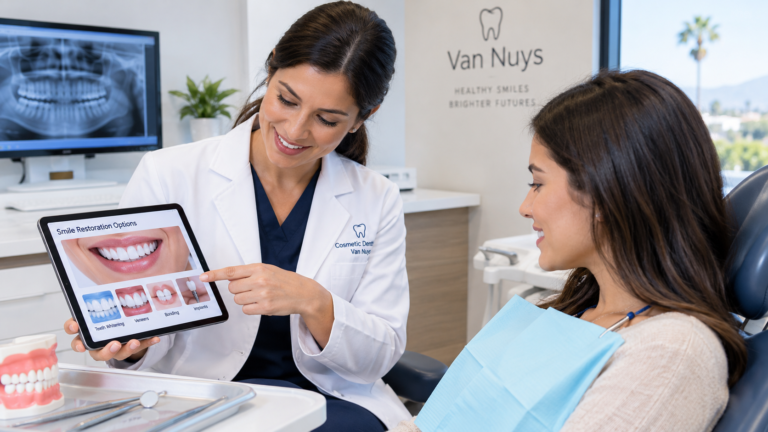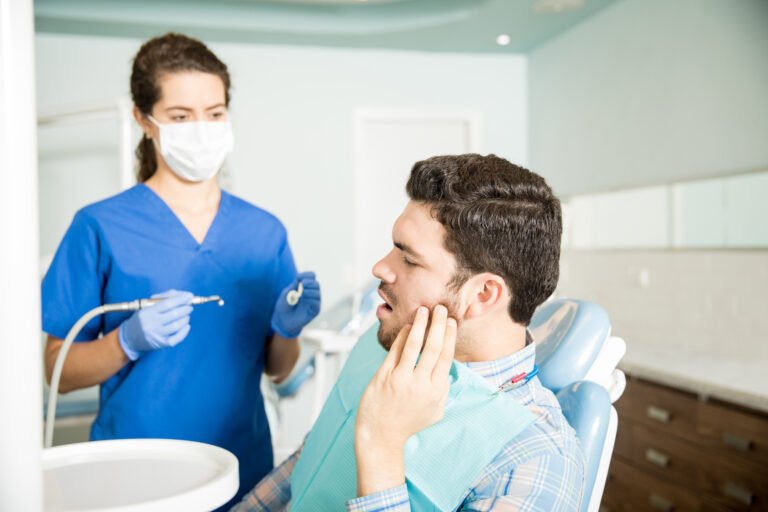
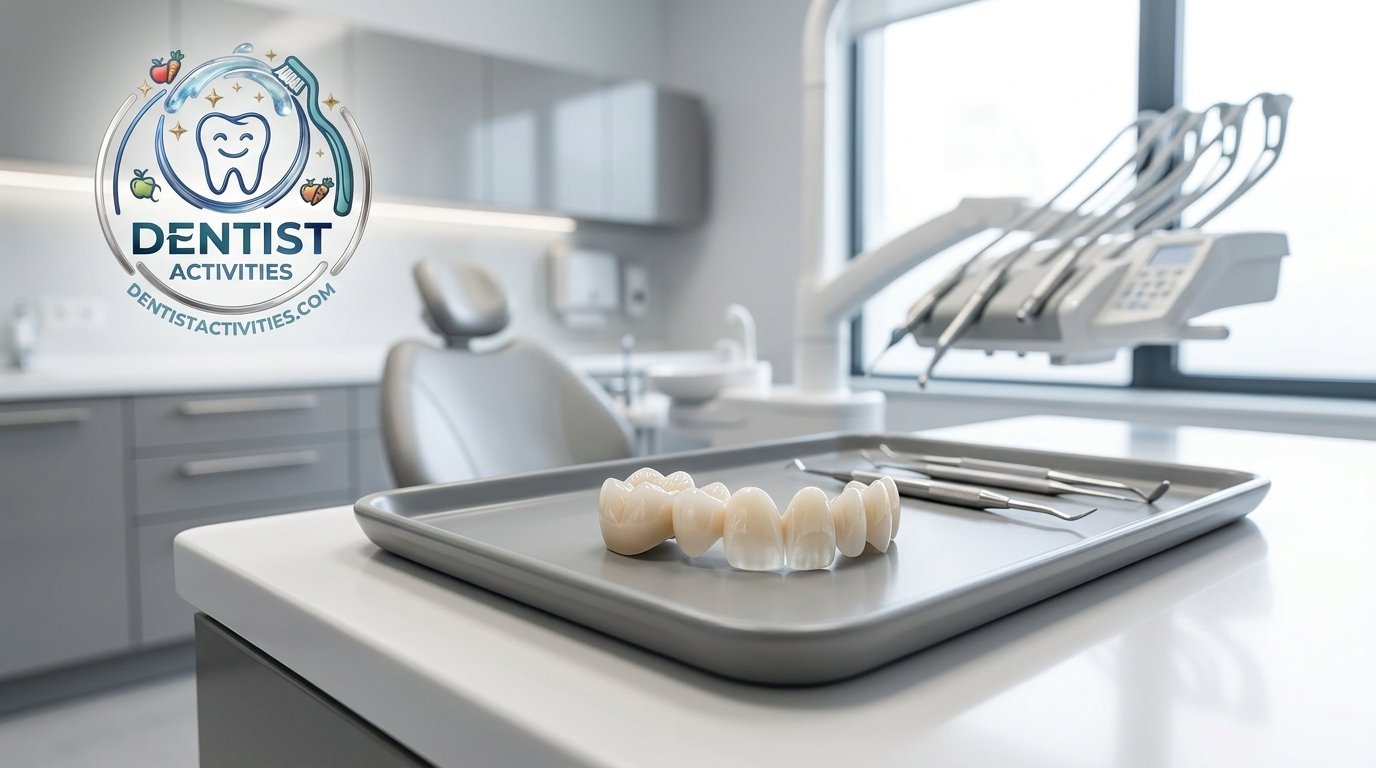
A broken, severely decayed, or weakened tooth can disrupt your daily life—making chewing uncomfortable, causing lingering sensitivity, and diminishing your confidence when you smile. Fortunately, restorative dentistry has advanced tremendously, offering durable, natural-looking solutions designed to protect your natural tooth structure for decades. When it comes to restoring damaged teeth with precision and artistry, dental crowns Port St. Lucie patients rely on provide both structural strength and lifelike aesthetics.
Whether you have a fractured cusp from biting down on something hard, extensive decay that a standard filling cannot support, or an old restoration that needs an upgrade, a custom dental crown acts as a protective shield and aesthetic overhaul. In this comprehensive guide, we will explore everything you need to know about getting dental crowns in Port St. Lucie—from the different modern materials available to the treatment process, cost considerations, aftercare, and why choosing the right local dental team makes all the difference.
1. What Is a Dental Crown and Why Might You Need One?
A dental crown—frequently referred to as a “cap”—is a custom-engineered dental prosthetic that encases the entire visible portion of a compromised tooth above the gumline. Unlike a dental filling, inlay, or onlay, which only repairs a localized cavity or defect, a crown restores the original shape, size, strength, and aesthetic appearance of the complete tooth.
Your teeth endure immense pressure every single day through biting, grinding, and chewing. When a tooth experiences structural breakdown, a crown redistributes bite forces evenly, protecting the delicate internal nerve and root system from further trauma or bacterial infection.
Common Clinical Reasons for a Dental Crown
- Severe Tooth Decay: When a cavity spans more than 50% of the tooth’s structure, standard composite resin fillings lack sufficient surface area and strength to stay anchored without risking tooth fracture.
- Fractured, Cracked, or Worn Teeth: Teeth weakened by chronic bruxism (teeth grinding), trauma, or aging benefit from full coverage to prevent fractures from extending beneath the gumline.
- Post-Root Canal Protection: After endodontic treatment, a tooth loses its internal blood supply and becomes brittle over time. Placing a crown prevents the treated tooth from shattering under normal bite loads.
- Replacing Large, Failing Amalgam Fillings: Deep silver or composite fillings often leave thin outer enamel walls vulnerable to stress fractures.
- Anchoring a Dental Bridge: Crowns are placed on healthy adjacent teeth (abutment teeth) to support a false tooth (pontic) in between.
- Completing a Dental Implant: Once a titanium implant post integrates with the jawbone, a customized crown serves as the permanent, functional prosthetic tooth.
- Cosmetic Smile Makeovers: Severe intrinsic discoloration, misshapen teeth, or uneven spacing that cannot be corrected with veneers can be restored with custom porcelain crowns.
2. Types of Dental Crown Materials: Choosing the Best Fit for Your Smile
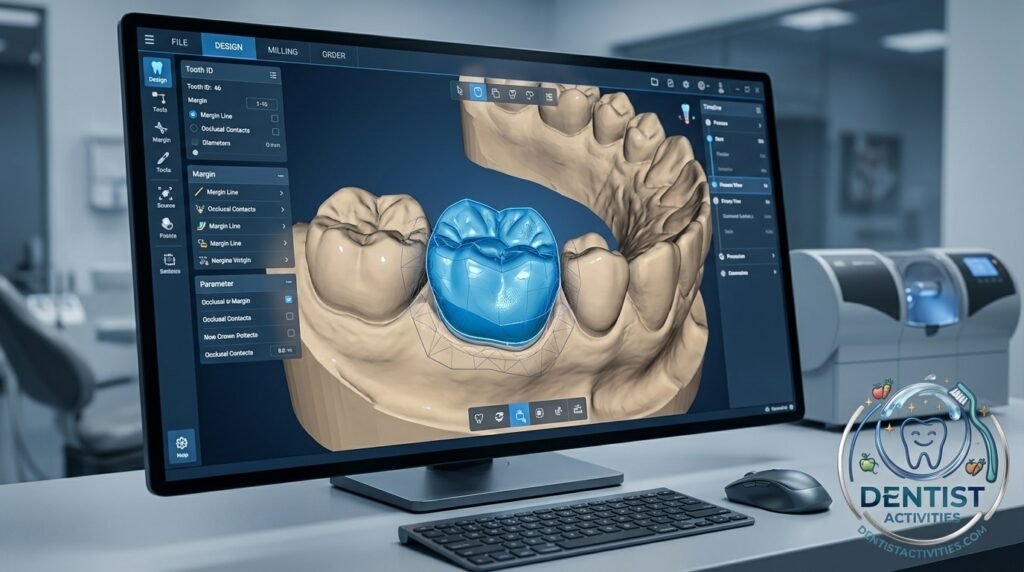
Advances in biomaterials and digital dental technology mean that today’s patients have multiple high-performance materials to choose from. When selecting dental crowns Port St. Lucie clinicians evaluate bite forces, cosmetic requirements, tooth location, and patient lifestyle to recommend the ideal material.
All-Porcelain and Feldspathic Ceramic Crowns
All-porcelain crowns deliver unmatched translucency and light refraction, mimicking the natural characteristics of human enamel down to the subtlest shade gradients.
- Best For: Front teeth (incisors and canines) where visual aesthetics are paramount.
- Advantages: 100% biocompatible, metal-free, gentle on surrounding gum tissue, and zero risk of dark gray lines showing at the gum margin.
- Considerations: While strong, traditional porcelain can be slightly more susceptible to chipping under heavy posterior chewing forces compared to zirconia.
Monolithic and Layered Zirconia Crowns
Zirconia (zirconium dioxide) has rapidly become the gold standard in modern restorative dentistry. It is an exceptionally strong ceramic material often referred to as “ceramic steel.”
- Best For: Molars, premolars, and patients with a history of bruxism or clenching.
- Advantages: Extremely fracture-resistant, requires less tooth reduction during preparation, and can be shade-matched precisely to adjacent natural teeth.
- Considerations: Monolithic zirconia is slightly more opaque than glass ceramics, though high-translucency zirconia formulas have bridged this aesthetic gap dramatically.
Lithium Disilicate (E-Max) Crowns
E-Max crowns are crafted from a specialized glass-ceramic material that combines remarkable tensile strength with lifelike optical qualities.
- Best For: Anterior and premolar teeth where high aesthetic standards meet moderate bite pressure.
- Advantages: Superior bonding capacity to natural tooth enamel, seamless color blending, and excellent durability.
- Considerations: May not be suitable for long-span posterior bridges experiencing intense clenching forces.
Porcelain-Fused-to-Metal (PFM) Crowns
For decades, PFM crowns were the most widely used restoration in dentistry. They consist of a cast metal substructure layered with exterior porcelain.
- Best For: Long-span bridges and posterior crowns requiring strong metal support.
- Advantages: Long track record of clinical success and high structural rigidity.
- Considerations: Over time, as gums naturally recede, a dark metallic line can become visible near the gumline.
3. The Step-by-Step Procedure: What to Expect When Getting a Crown
Understanding the procedural stages eliminates dental anxiety and helps you prepare for your visits. When receiving dental crowns in Port St. Lucie, the treatment is typically completed over two comfortable appointments—or even a single day if your provider utilizes in-office CAD/CAM milling.
Step 1: Comprehensive Exam, Digital X-Rays, and 3D Imaging
Your dentist conducts an in-depth oral evaluation, taking digital intraoral radiographs and 3D Cone Beam Computed Tomography (CBCT) scans if necessary. This ensures that the tooth roots, pulp, and supporting alveolar bone are free of active infection and structurally sound enough to anchor a crown.
Step 2: Gentle Anesthesia and Tooth Preparation
To ensure complete comfort, local anesthetic is administered around the target tooth. Your dentist gently shapes the tooth by removing decayed enamel and tapering the outer perimeter so the new crown can slip over it seamlessly without feeling bulky or altering your natural bite height.
Step 3: Digital Optical Scanning vs. Traditional Impressions
Instead of messy, uncomfortable putty trays, leading dental offices use digital intraoral scanners. A handheld wand captures thousands of high-definition 3D photos of your prepared tooth and opposing bite in seconds, creating a precise digital model.
Step 4: Placing the Custom Temporary Crown
While a certified dental laboratory creates your permanent crown, a tooth-colored acrylic temporary crown is bonded with temporary cement. This protects the sensitive exposed dentin, maintains proper spacing between neighboring teeth, and allows you to chew and speak normally.
Step 5: Final Fitting, Shade Verification, and Permanent Bonding
Once the laboratory delivers the custom crown (usually within 1 to 2 weeks), you return for the final placement:
- The temporary crown is gently removed, and the prepared tooth is cleansed and conditioned.
- The permanent crown is test-fitted to inspect contact points, margins, bite occlusion, and color harmony.
- Once you and your dentist are fully satisfied with the look and feel, the crown is permanently bonded using high-strength dental resin cement or bio-active bonding agents.
- Excess cement is cleared, the margins are polished smooth, and final bite adjustments are made.
4. Traditional Lab-Crafted vs. Same-Day CEREC Crowns
Patients seeking dental crowns Port St. Lucie often wonder whether they should choose same-day in-office milled crowns or traditional lab-fabricated restorations. Both methods offer distinct advantages depending on clinical needs.
| Feature | Same-Day CEREC Crowns | Traditional Laboratory Crowns |
|---|---|---|
| Number of Visits | 1 Single Appointment | 2 Separate Appointments |
| Turnaround Time | 90–120 Minutes | 1–2 Weeks |
| Temporary Crown Needed? | No | Yes |
| Impression Method | Digital 3D Scanning | Digital or Physical Impression Trays |
| Aesthetic Customization | Monolithic block stained in-house | Custom hand-layered porcelain by master ceramist |
| Ideal Application | Single molars and premolars | Complex anterior smile design, bridges |
For patients with busy schedules, same-day crowns provide immediate convenience without the need for temporary restorations. Meanwhile, for visible front teeth requiring intricate internal shading, mamelon effects, or multi-unit cosmetic reconstruction, a specialized master ceramist in a dedicated lab provides unmatched artistic detail.
5. Recognizing the Signs: How to Know If You Need a Dental Crown
It is not always obvious when a tooth requires crown coverage versus a routine filling. Regular dental checkups in Port St. Lucie help detect subtle cracks before they turn into severe dental emergencies.

Key Indicators That Call for a Crown Evaluation
- Sharp Pain When Releasing Bite Pressure: Known as “Cracked Tooth Syndrome,” this occurs when a microscopic fracture flexes under chewing pressure, stimulating the dental pulp.
- Heightened Temperature Sensitivity: Lingering pain after drinking hot coffee or cold water may indicate deep decay or enamel erosion that has reached the internal dentin layers.
- Visible Dark Margins or Fractures Around Old Fillings: Silver amalgam fillings expand and contract with hot and cold foods over decades, eventually causing micro-fractures in the surrounding natural tooth structure.
- Aesthetic Dissatisfaction: Severely stained, uneven, or peg-shaped lateral teeth that cannot achieve symmetry through whitening or cosmetic bonding.
- Persistent Food Trapping Between Broken Teeth: When a tooth cusp breaks away, food easily lodges into the space, inflaming gums and accelerating adjacent decay.
6. How Much Do Dental Crowns Cost in Port St. Lucie?
Investing in restorative dentistry protects your overall oral health and helps avoid far more costly procedures down the road, such as extractions, bone grafting, and dental implants.
Average Cost Ranges in South Florida
In the Port St. Lucie and broader Treasure Coast region, the cost of a high-quality dental crown generally ranges between $1,000 and $2,500 per tooth.
Several clinical and technological factors influence the final cost:
- Material Selected: Monolithic zirconia, specialized high-translucency lithium disilicate (E-Max), and high-noble gold alloys carry different laboratory and fabrication costs.
- Preliminary Treatments: If the tooth requires root canal therapy, laser gum recontouring, or a core buildup foundation to replace missing tooth volume, these will be factored into the overall treatment plan.
- Provider Experience and Technology: Practices equipped with cutting-edge 3D scanners, in-house milling units, and experienced restorative clinicians provide higher diagnostic accuracy and long-term durability.
Navigating Dental Insurance and Financing
- Dental Insurance Coverage: Most PPO dental insurance plans classify crowns as a major restorative procedure, typically covering between 50% and 80% of the allowable cost after your deductible is met.
- Flexible Spending Accounts (FSA) & Health Savings Accounts (HSA): These pre-tax funds can be applied directly toward restorative crown treatments.
- Healthcare Financing: Most modern dental practices in St. Lucie County partner with third-party financing platforms like CareCredit, Sunbit, or LendingClub, offering 0% APR promotional financing and manageable monthly payment plans.
7. Recovery, Adjustment Period, and Essential Aftercare Tips
Healing after receiving a permanent dental crown is smooth and rapid. Most patients return to work, school, and normal activities immediately following their appointment.
What to Expect Immediately After Placement
- Mild Gum Tenderness: The gingival tissue around the margin of the tooth may feel slightly tender for 24 to 48 hours following preparation and bonding. Warm salt water rinses (1/2 teaspoon of salt in warm water) offer soothing relief.
- Temperature Sensitivity: Your tooth may be sensitive to extreme hot or cold foods for a few days as the nerve calms down from the bonding process. Using a desensitizing toothpaste helps alleviate this quickly.
- Bite Adjustment: When your anesthesia wears off, pay close attention to your bite when chewing. If the new crown feels even slightly elevated when your teeth touch, contact your dentist for a minor 2-minute bite adjustment. A high bite can lead to localized tooth soreness if left uncorrected.
Long-Term Crown Maintenance Habits
A dental crown cannot decay, but the natural tooth structure underneath and along the gumline margin remains vulnerable to plaque and bacterial invasion.
- Brush Twice Daily with Fluoride Toothpaste: Clean thoroughly along the gumline to prevent marginal plaque accumulation.
- Floss Daily with Proper Technique: Curve the floss around the base of the crown and slide it up gently rather than snapping it aggressively.
- Wear a Custom Nightguard if You Grind: If you clench your jaw while sleeping, a custom nightguard cushions your restorations against excessive bite pressure.
- Avoid Using Teeth as Tools: Do not chew ice, crunch hard candy, bite down on popcorn kernels, or use your teeth to tear open packaging.
- Schedule Biannual Cleanings and Exams: Professional cleanings and periodic digital x-rays allow your dental hygienist and dentist to verify that crown margins remain tight and leak-free.
8. Expected Lifespan: How Long Do Dental Crowns Last?
With proper oral hygiene and regular preventive care, modern dental crowns typically last between 10 to 15 years, and many patients enjoy their restorations for 20 to 30 years or more.
Key Factors Determining Crown Longevity
- Oral Hygiene Consistency: Diligent brushing and flossing prevent recurrent marginal decay at the interface between the crown and tooth root.
- Bite Alignment and Bruxism Management: Managing nighttime grinding with an occlusal guard prevents microscopic material fatigue and premature wear.
- Quality of Dental Bonding Materials: Contemporary resin cements and ceramic primers create a powerful micromechanical and chemical seal that resists saliva dissolution.
- Biological Health of the Tooth Pulp and Bone: Keeping periodontal tissues healthy ensures the bone foundation supporting the crowned tooth remains strong throughout your life.
9. Why Choose a Local Port St. Lucie Restorative Dental Practice?
Selecting a dedicated local dental team on the Treasure Coast provides unmatched advantages when completing restorative care.
- Rapid Local Support: Should you ever need a minor bite adjustment, a temporary crown re-cemented, or emergency care, a local dental office ensures prompt attention without long drives.
- State-of-the-Art Technology: Port St. Lucie dental offices frequently feature modern digital dentistry systems, including low-radiation digital imaging, intraoral scanners, and gentle laser therapy.
- Personalized, Community-Focused Care: Local dental practices build long-term relationships with patients and families, ensuring consistent follow-up care year after year.
10. Frequently Asked Questions (FAQs)
Does getting a dental crown hurt?
No. The entire preparation and placement process is performed under local anesthesia, ensuring that you feel zero pain during treatment. You may experience slight pressure or mild gum soreness for a day or two afterward, which can be managed easily with over-the-counter pain relievers such as ibuprofen or acetaminophen.
How do I care for my temporary crown while waiting for the permanent one?
While wearing a temporary crown, avoid sticky foods (like chewing gum, caramel, and taffy) and extremely hard items. When flossing around a temporary crown, slide the floss out horizontally from the side of the tooth rather than pulling upward, which could accidentally dislodge the temporary cement.
Can a dental crown fall off or become loose?
While rare, a crown can become loose if the underlying cement washes out, if recurrent decay develops along the margin, or if you bite into something unusually sticky. If your crown loosens or falls off, keep the restoration safe in a clean container and call your Port St. Lucie dentist immediately. Never attempt to reattach a crown using superglue or household adhesives.
What is the difference between a dental crown and a veneer?
A veneer covers only the front-facing surface of a tooth and is primarily used for cosmetic enhancements on healthy front teeth with minimal damage. A dental crown covers the entire 360-degree surface of the tooth down to the gumline, providing structural reinforcement for weakened, cracked, or heavily decayed teeth.
Can a crowned tooth get a cavity?
The crown material itself (porcelain, ceramic, or zirconia) cannot develop cavities. However, the natural tooth structure at the margin where the crown meets the gumline can still develop decay if plaque is allowed to accumulate. Daily brushing, flossing, and professional cleanings are essential to prevent recurrent decay.
Conclusion: Reclaim a Strong, Healthy, and Confident Smile
A broken or decayed tooth does not have to compromise your oral health, comfort, or self-esteem. With contemporary restorative options like zirconia, lithium disilicate, and custom porcelain, getting a dental crown is a comfortable, predictable, and transformative experience.
Investing in high-quality dental crowns Port St. Lucie allows you to preserve your natural tooth structure, chew your favorite foods without hesitation, and smile with complete confidence. If you are experiencing tooth pain, have an old filling that feels unstable, or want to enhance the appearance of a damaged tooth, schedule a comprehensive dental consultation in Port St. Lucie today to take the first step toward a healthier, more radiant smile.