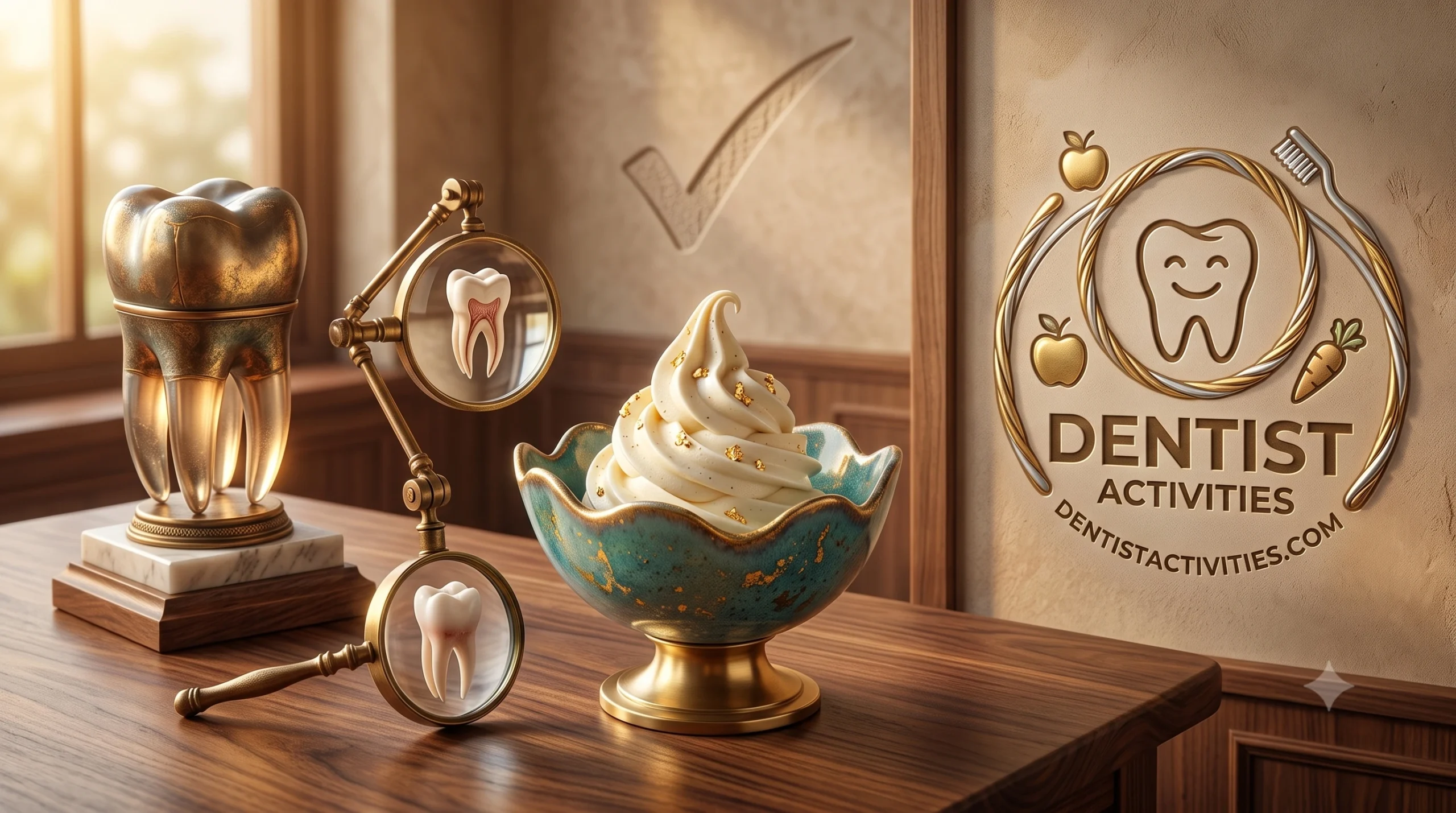
Undergoing a tooth extraction—whether it is a simple removal, a complex surgical extraction, or getting your wisdom teeth pulled—can leave your mouth feeling tender, swollen, and sore. As you sit in the recovery chair with a numb jaw, one of the first questions on your mind is often: can I eat ice cream after tooth extraction?
The short answer is yes, you can eat ice cream after a tooth extraction, but there are crucial rules, timing guidelines, and safety steps you must follow. While a scoop of cold, creamy ice cream feels like the ultimate comforting reward after oral surgery, eating the wrong type or consuming it incorrectly can disrupt your healing socket and lead to painful complications like dry socket.
This comprehensive guide breaks down everything you need to know about enjoying ice cream after a tooth extraction. From exact timing and safe flavor choices to oral hygiene protocols and alternative soft foods, here is your complete roadmap to a smooth, delicious recovery.
Can I Eat Ice Cream After Tooth Extraction? The Direct Answer
If you are craving something cold and sweet right after leaving the dental clinic, you will be happy to know that oral surgeons and general dentists frequently place ice cream near the top of recommended post-operative soft foods. However, its safety depends entirely on how and when you eat it.
Why Dentists Often Recommend Cold Treats
After a tooth is removed from its socket, surrounding soft tissues and bone experience acute inflammation. The localized trauma triggers swelling, throbbing, and increased blood flow to the area. Cold foods like ice cream act as an internal cold compress.
The primary benefits include:
- Natural Numbing Effect: The freezing temperature temporarily dulls nerve endings near the surgical site, reducing acute pain without extra medication.
- Reduction of Inflammation: Cold temperatures constrict local blood vessels (vasoconstriction), which helps control minor post-operative bleeding and swelling.
- Zero Chewing Effort: Because smooth ice cream melts effortless in your mouth, your jaw muscles can rest completely, preventing mechanical stress on the healing wound.
How Ice Cream Aids Early Post-Operative Recovery
During the initial hours following an extraction, your body works hard to form a blood clot inside the open socket. This blood clot acts as a protective shield, covering delicate nerve endings and jawbone while serving as the foundation for new tissue growth.
Because chewing solid food poses an immediate threat to this delicate clot, cold, liquid-to-soft transitions are ideal. Plain ice cream supplies quick calories and comfort when your appetite is low and your ability to chew is restricted.
When Can I Eat Ice Cream After Tooth Extraction Safely? Timing Matters
Timing is everything when recovering from oral surgery. Indulging too early can turn a soothing treat into an accidental bite injury or a compromised wound.
Waiting for Local Anesthesia and Numbness to Wear Off
The single most important rule regarding when you can eat ice cream after tooth extraction is to wait until your local anesthesia has completely worn off. Local anesthetics like lidocaine or bupivacaine numb not only your gums, but also large portions of your cheek, lip, and tongue for 2 to 5 hours post-surgery.
If you attempt to eat ice cream while your mouth is still numb:
- Severe Tissue Biting: You risk severely biting your tongue or inner cheek without realizing it, causing traumatic tissue damage on top of your extraction site.
- Temperature Unawareness: Extreme cold against numb gums can cause thermal discomfort or brain freeze without you noticing early warning signals.
- Choking Hazards: Reduced neuromuscular control makes swallowing soft foods harder, increasing the chance of aspiration.
Always wait 2 to 4 hours after surgery until full sensation returns to your lips, tongue, and jaw before taking your first bite.
Day 1 vs. Day 2: The Timeline of Socket Healing
- Hours 0 to 2: Keep firm pressure on the gauze pad provided by your oral surgeon. Do not eat or drink anything.
- Hours 2 to 6: Once local anesthesia dissipates and primary bleeding stops, you may enjoy soft-serve or smooth ice cream.
- Day 1 (First 24 Hours): Stick exclusively to smooth, cool, non-chewy foods. Ice cream, pudding, and yogurt are ideal.
- Day 2 and Day 3: You can continue enjoying ice cream alongside warm (never hot) soft foods like mashed potatoes, scrambled eggs, and lukewarm soups.
How to Eat Ice Cream After Tooth Extraction Without Complications
Knowing that you can eat ice cream is only half the battle; knowing how to eat it safely guarantees a smooth recovery.
Spoon vs. Straw: The Number One Golden Rule
If there is one mandatory rule after a tooth extraction, it is this: NEVER USE A STRAW.
When you suck on a straw to drink a melted milkshake or thick ice cream float, it creates a powerful negative pressure (suction) inside your mouth. This suction physically pulls the blood clot out of the healing socket.
When the clot is dislodged, bone and nerve tissue are left exposed to air, food debris, and fluids—a excruciating condition known as dry socket (alveolar osteitis). Dry socket causes severe, radiating pain that often requires medical intervention. Always use a small spoon to eat ice cream gently.
Eat from a Bowl, Skip the Cone
Avoid waffle cones, sugar cones, and cake cones during your initial recovery phase. Cones are crunchy, hard, and produce sharp crumbs that can easily lodge inside the extraction wound, triggering infection or reopening the wound. Scoop your ice cream into a small, clean bowl instead.
Portion Control and Oral Hygiene Rinsing
While ice cream is soothing, it is also high in refined sugar. Sugar feeds oral bacteria, creating an acidic environment that can increase tissue inflammation if left sitting on your gums.
Follow these post-treat hygiene steps:
- Eat a modest portion (1 to 2 small scoops).
- Let the ice cream sit at room temperature for a minute so it is soft rather than rock-hard.
- About 30 minutes after eating, gently rinse your mouth with plain water or warm salt water (1/2 teaspoon of salt in 8 oz of warm water).
- Do NOT spit forcefully. Let the water roll out of your mouth into the sink to protect the blood clot.
Which Ice Cream Flavors and Types Are Safe (and Which to Avoid)
Not all frozen treats are created equal when recovering from oral surgery. Choosing the wrong flavor can cause mechanical trauma to your wound.
Best Choices: Plain, Smooth, and Creamy Varieties
Choose ice creams that require zero chewing and melt smoothly across the tongue.
- Plain Vanilla or Chocolate: Classic, simple, and completely smooth.
- Soft Serve: Soft serve from a parlor or machine is ideal because it is light, airy, and soft right out of the container.
- Gelato or Frozen Yogurt: Smooth gelato and plain frozen yogurt offer creamy texture with slightly less fat or sugar, making them easy on the stomach.
High-Risk Mix-Ins: Nuts, Chips, Sprinkles, and Candy
Steer clear of any ice cream flavor that contains textured mix-ins. The following ingredients present severe hazards to healing gums:
- Nuts and Seeds: Almonds, walnuts, and peanuts leave hard fragments that get trapped in the socket.
- Chocolate Chips and Candy Bits: Frozen chocolate chips are rock-hard and require force to chew, which stresses the jaw.
- Cookie Dough and Brownie Swirls: Sticky, chewy textures require heavy jaw movement and easily get stuck in tooth gaps.
- Sprinkles and Jimmies: Small, hard sprinkles can slide directly underneath your gum tissue or inside the open extraction wound.
Dairy-Free, Low-Sugar, and Sorbet Alternatives
If you are lactose intolerant, sensitive to dairy, or prone to post-anesthesia nausea, traditional dairy ice cream might upset your stomach.
Consider these gentle alternatives:
- Plant-Based Ice Creams: Almond, oat, or coconut milk-based ice creams provide creamy textures without lactose.
- Smooth Fruit Sorbets: Pureed fruit sorbets are cold and refreshing. Just double-check that they do not contain small seeds (like raspberry or strawberry seeds).
- Low-Sugar Ice Cream Options: Stevia or erythritol-sweetened varieties reduce sugar exposure for your healing gums.
Potential Risks of Eating Ice Cream After Tooth Extraction
While asking can I eat ice cream after tooth extraction yields mostly enthusiastic yeses, awareness of potential risks keeps you safe.
Risk of Disrupting the Blood Clot and Causing Dry Socket
As discussed, the primary objective during early healing is preserving the blood clot inside the extraction socket. Eating hard ice cream, biting into cones, or sucking through straws directly destabilizes this clot. Dry socket causes severe throbbing pain that radiates to the ear, jaw, and temple, often accompanied by bad breath and an empty-looking socket.
High Sugar Content and Bacterial Growth
Surgical wounds in the mouth need a clean environment to form healthy granulation tissue. Standard commercial ice cream contains high levels of refined sugar. Sugar residue left sitting near the surgical site nourishes harmful oral bacteria, increasing the risk of localized infection.
Cold Temperature Sensitivity and Nerve Exposure
If you have pre-existing tooth sensitivity or if neighboring tooth roots were exposed during the extraction, freezing cold temperatures can provoke sharp, sudden nerve pain. If your teeth feel sensitive, let the ice cream melt slightly at room temperature before eating, or opt for lukewarm soft foods instead.
What Else to Eat: Safe Soft Food Alternatives to Ice Cream
While ice cream is a great post-extraction treat, you cannot live on sugar alone during your recovery. Balancing sweet cold treats with nutrient-rich soft foods accelerates tissue repair.
| Food Category | Recommended Soft Foods | Key Healing Benefits |
| Cold & Creamy | Greek yogurt, plain pudding, applesauce, fruit purees | High protein (yogurt), soothing coldness, smooth texture |
| Warm & Savory | Mashed potatoes, butternut squash soup, lukewarm bone broth | Electrolytes, essential vitamins, soothing comfort |
| Protein-Packed | Soft scrambled eggs, silken tofu, cottage cheese | Essential amino acids for rapid wound tissue repair |
| Nutrient Drinks | Seedless fruit smoothies, protein shakes (NO STRAW) | High hydration, vitamins, easy calorie intake |
Smoothies, Yogurt, and Applesauce
Greek yogurt is an outstanding alternative to ice cream because it contains high levels of protein and beneficial probiotics that support your body, especially if you were prescribed post-operative antibiotics. Applesauce offers a seedless, naturally sweet, cooling option that requires zero chewing.
Lukewarm Soups and Mashed Potatoes
On Day 2, your body will crave savory nutrition. Blended soups (like tomato, pumpkin, or potato leek) and smooth mashed potatoes provide comfort and energy. Ensure all soups and warm foods are served lukewarm, as hot temperatures dissolve blood clots and trigger bleeding.
Scrambled Eggs and Well-Cooked Grains
Soft scrambled eggs cooked in butter are gentle on tender gums and loaded with protein to jumpstart tissue healing. Well-cooked oatmeal or cream of wheat (served warm or cool) can also be added after 48 hours.
Foods and Habits to Strictly Avoid After Tooth Extraction
To protect your extraction site, avoid the following foods and habits during the first 5 to 7 days of recovery:
- Hard and Crunchy Foods: Chips, nuts, pretzels, popcorn, and raw vegetables can break into sharp shards that puncture vulnerable wound tissues.
- Spicy and Acidic Foods: Hot peppers, salsa, citrus fruits, and vinegar irritate open tissue, causing intense stinging and localized swelling.
- Smoking and Vaping: Inhaling chemical smoke and creating mouth suction from vaping or smoking drastically increases dry socket risk and delays tissue healing by cutting off oxygen supply.
- Vigorous Rinsing and Spitting: Excessive swishing or hard spitting creates mechanical pressure inside the mouth that can dislodge healing blood clots.
Step-by-Step Recovery Timeline After Tooth Extraction
To keep your healing process on track, follow this day-by-day care breakdown:
First 24 Hours: Managing Bleeding and Swelling
- Bite on Gauze: Keep firm, steady pressure on your gauze pad for 30 to 45 minutes after surgery. Replace if bleeding continues.
- Apply External Ice: Place an ice pack wrapped in a towel on the outside of your cheek for 15-minute intervals to minimize external swelling.
- Eat Cold Soft Foods: Once numbness disappears, eat plain ice cream, pudding, or yogurt using a spoon.
- Rest: Keep your head elevated on two pillows when resting to decrease blood pressure at the surgical site.
Days 2 to 7: Transitioning Foods and Tissue Healing
- Begin Salt Water Rinses: Starting 24 hours after surgery, gently rinse your mouth with warm salt water after meals.
- Expand Diet: Gradually introduce soft, lukewarm foods like scrambled eggs, mashed sweet potatoes, and soft pasta.
- Resume Gentle Brushing: Brush your remaining teeth carefully, avoiding the surgical socket directly.
- Monitor Symptoms: Pain and swelling should peak around Day 2 or 3 and gradually lessen after Day 4.
Summary Checklist: Eating Ice Cream After Tooth Extraction
Keep this quick reference guide in mind before grabbing your spoon:
Frequently Asked Questions (FAQs) About Eating Ice Cream After Tooth Extraction
1. How soon after tooth extraction can I eat ice cream?
You should wait 2 to 4 hours after your tooth extraction until local anesthesia wears off completely. Eating while your mouth is numb increases the risk of biting your tongue, cheeks, or lip. Once sensation returns and primary bleeding stops, you can safely enjoy smooth ice cream.
2. Can eating ice cream cause dry socket?
Ice cream itself does not cause dry socket, but how you eat it can. If you consume melted ice cream or a milkshake through a straw, the suction will dislodge the blood clot and cause dry socket. Eating ice cream containing hard nuts or crunchy mix-ins can also dislodge the clot. Always eat plain ice cream with a spoon from a bowl.
3. Is soft-serve ice cream better than regular tub ice cream?
Yes, soft-serve ice cream is ideal after a tooth extraction because it has a lighter, smoother texture that requires no jaw effort to chew or swallow. Tub ice cream is also safe provided it is completely smooth and allowed to soften slightly at room temperature before eating.
4. Can I eat McDonald’s McFlurry or DQ Blizzard after wisdom teeth removal?
It depends on the mix-ins. Standard McFlurries or Blizzards blended with Oreos, M&Ms, or peanut butter cups are dangerous because hard cookie or candy bits can lodge inside your extraction socket. However, plain soft-serve ice cream or a plain sundae without nuts is safe.
5. Why is dairy sometimes questioned after tooth extraction?
Some oral surgeons advise caution with heavy dairy products if a patient experiences nausea from general anesthesia or strong pain medications. Dairy can also leave a temporary coating in the mouth. If dairy upsets your stomach, choose plant-based frozen treats like coconut milk ice cream or fruit sorbet instead.
6. What should I do if a piece of ice cream cone gets stuck in my socket?
Do not poke the area with toothpicks, fingers, or sharp objects, as this can cause infection or dislodge the blood clot. Instead, gently swish warm salt water in your mouth and let it roll out over the sink. If the debris does not wash out or if you experience pain and swelling, contact your dentist or oral surgeon for assistance.
Conclusion
So, can I eat ice cream after tooth extraction? Absolutely! Ice cream is a comforting, cold, and soft treat that helps numb tender gums, reduce post-operative inflammation, and provide quick energy when chewing is out of the question.
To ensure a smooth, pain-free recovery, stick to plain flavors like vanilla or chocolate, avoid crunchy mix-ins like nuts or cookies, skip the cone, and never use a straw. Combine your ice cream treats with nutritious soft foods like scrambled eggs, mashed potatoes, and yogurt, and practice gentle oral hygiene after eating. By following these simple dental guidelines, you can safely enjoy your favorite sweet treat while setting your mouth up for a fast, hassle-free recovery.